34 · City guide
İstanbul
Where two continents meet
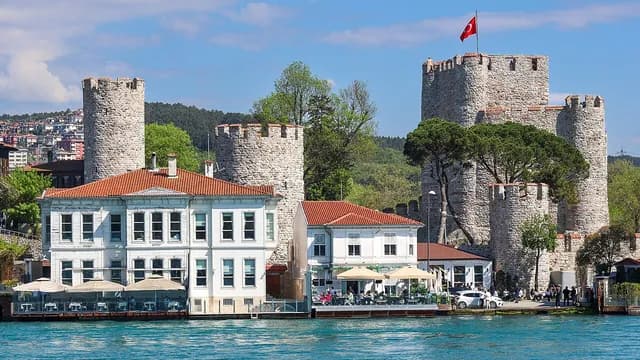
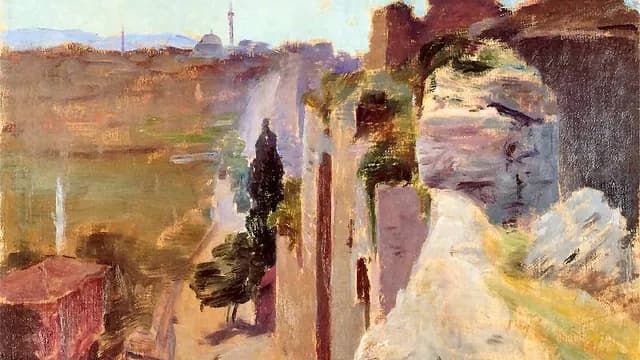
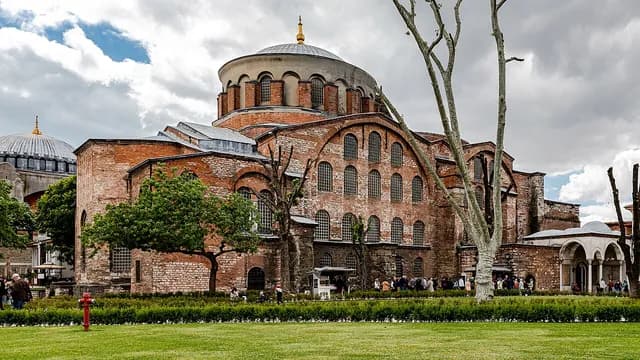
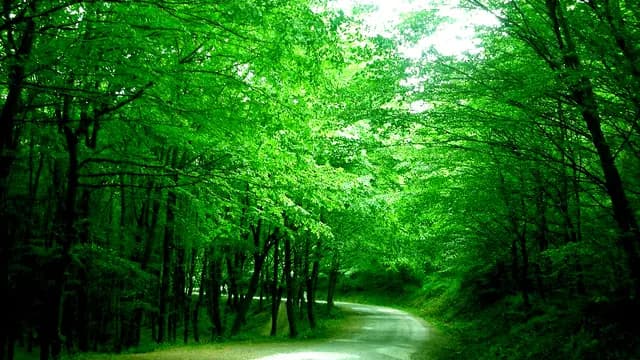
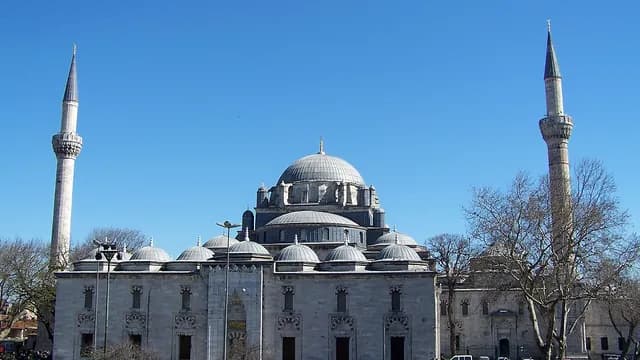
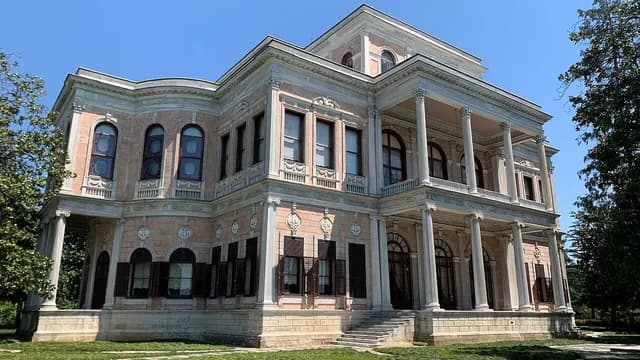
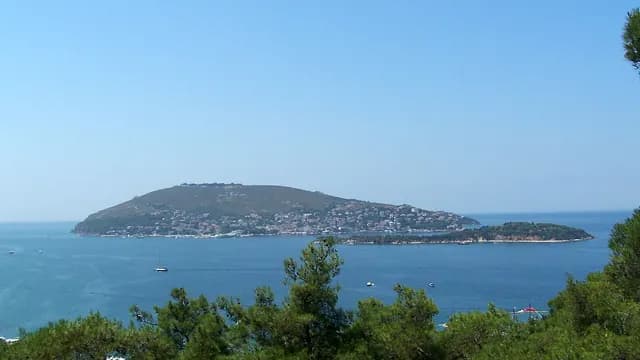
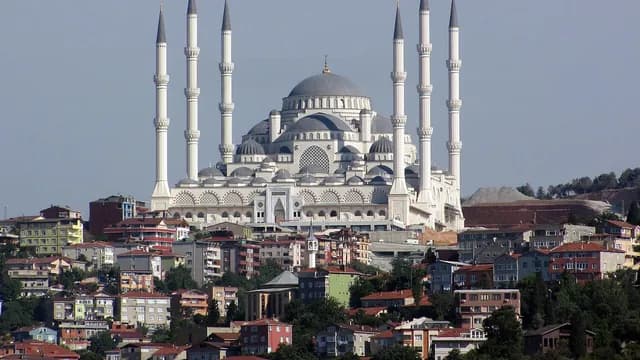
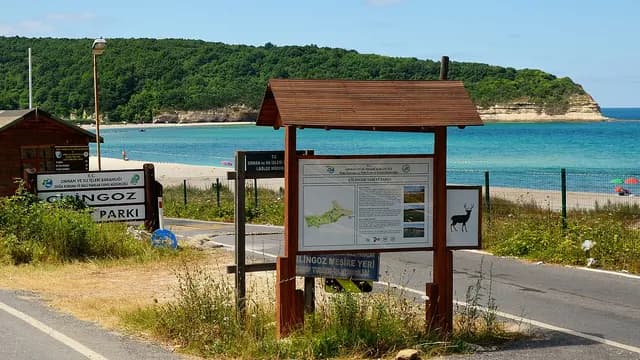
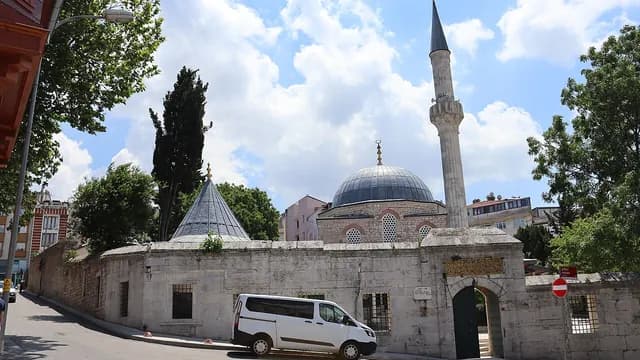
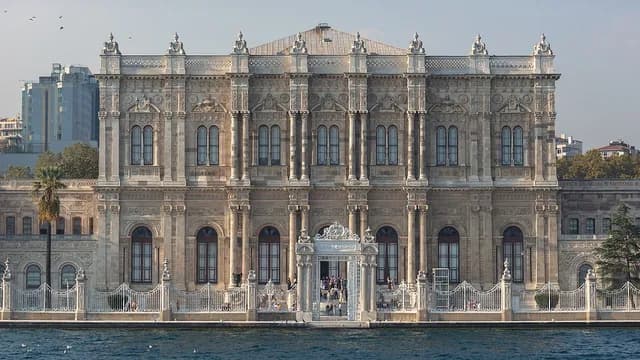
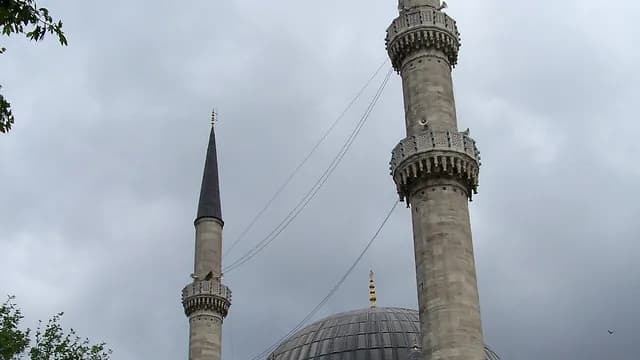
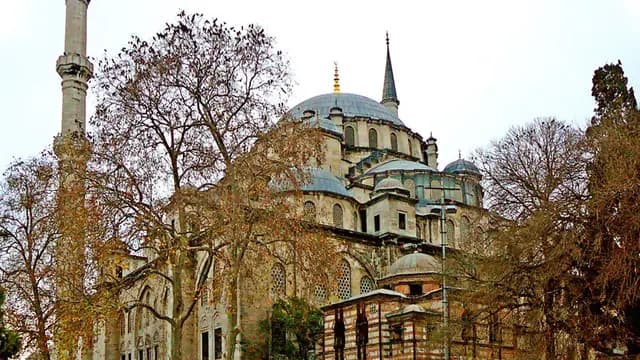
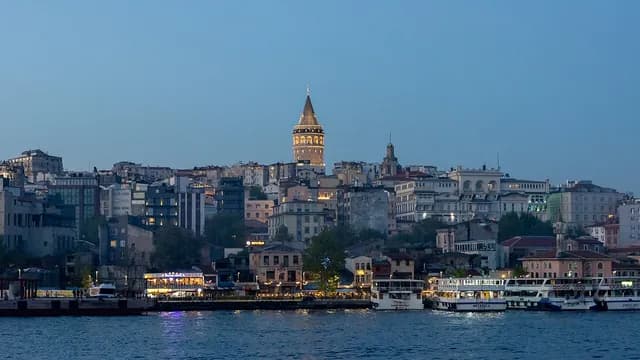
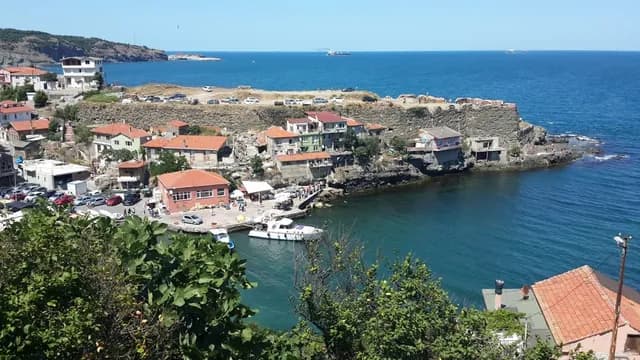
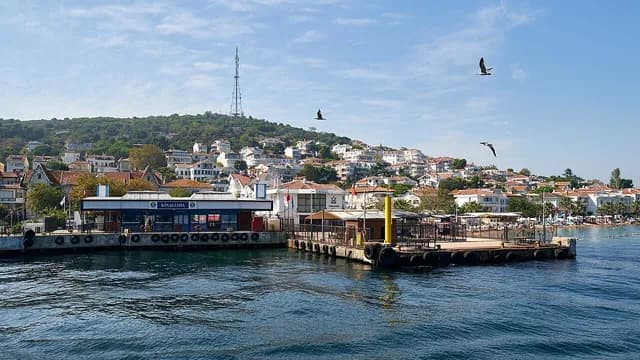
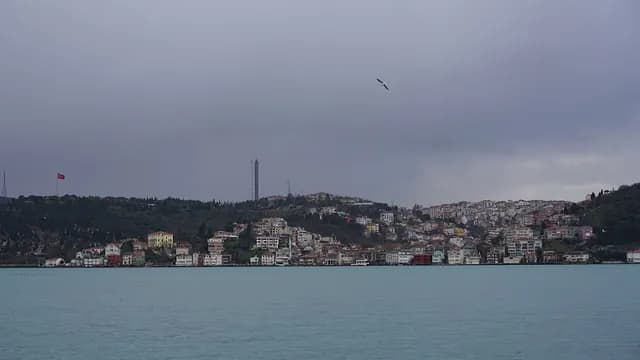
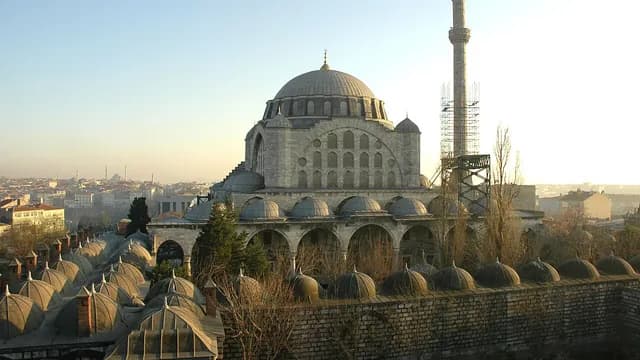
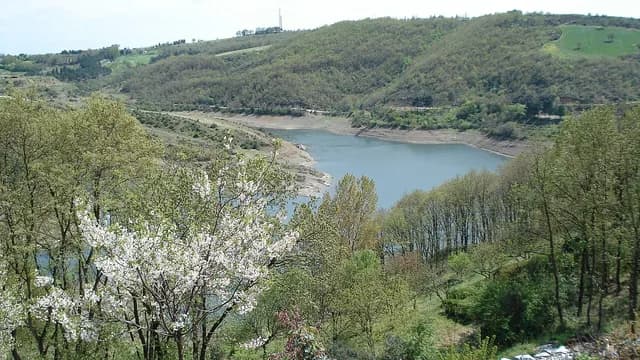
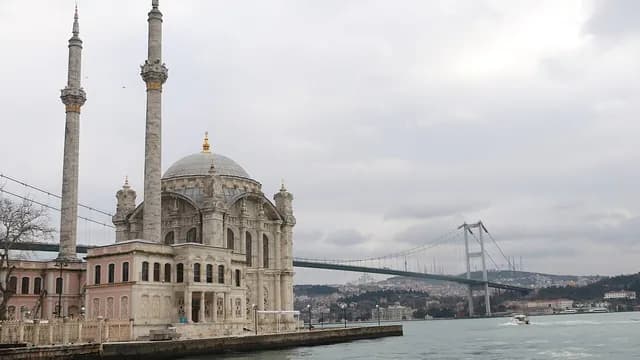
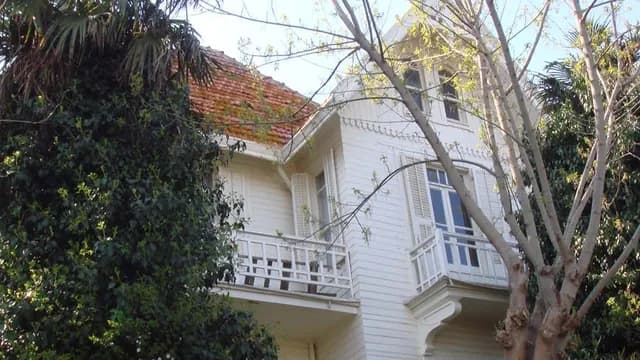
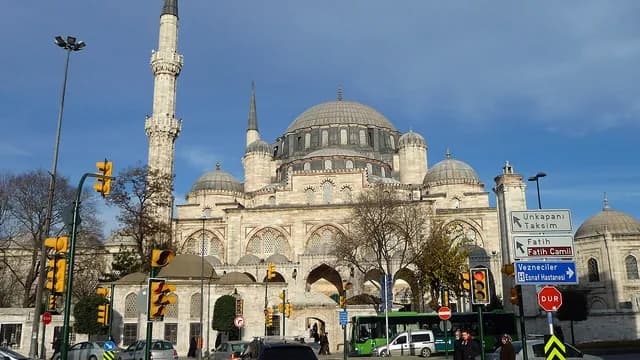
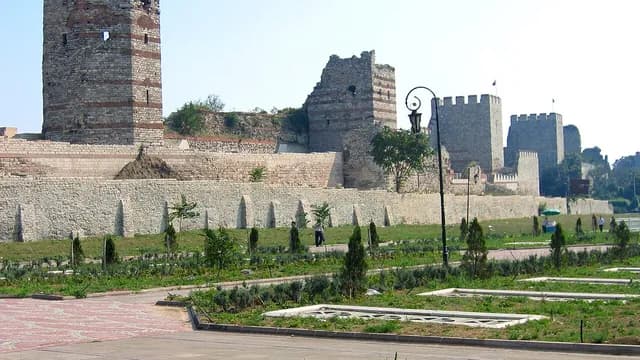
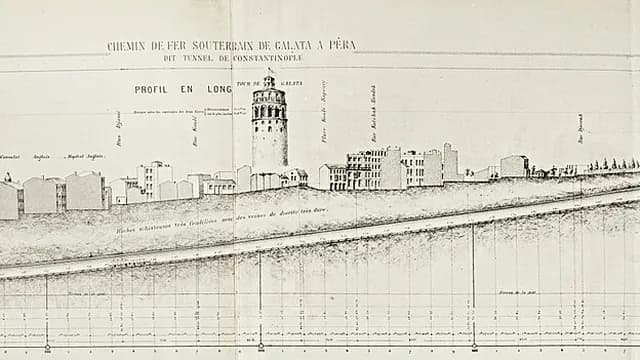
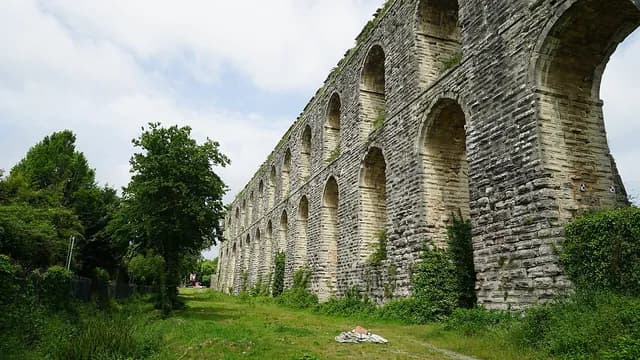
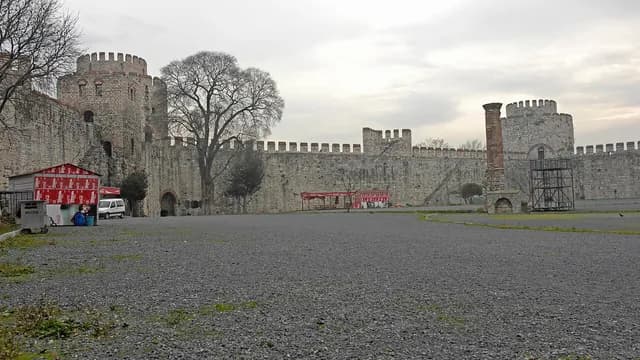
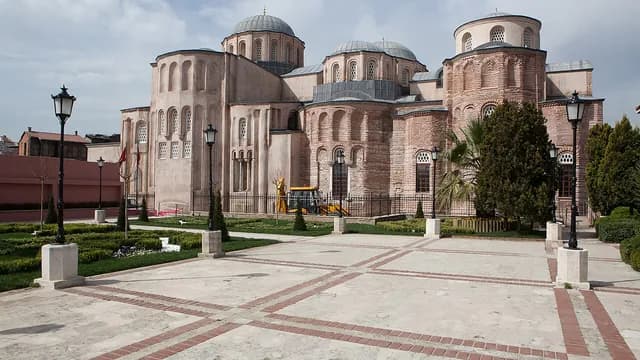
Built on both shores of the Bosphorus, which separates Europe from Asia, İstanbul was the capital of the Eastern Roman and Ottoman empires for about 1,600 years. On the Historic Peninsula, Byzantine cisterns, the Theodosian Walls and the mosques of Mimar Sinan stand side by side, while Balat, Fener and Eyüp on the Golden Horn (Haliç) keep the city's multicultural neighborhood fabric alive. Beyoğlu and Galata tell of a different era with the apartment buildings, arcades and museums of 19th-century Pera. Along the Bosphorus stand the Dolmabahçe and Beylerbeyi palaces, the Rumeli and Anadolu fortresses, and villages such as Kanlıca and Kuzguncuk. To the north of the city, the Belgrad Forest, Polonezköy, Şile, Ağva and Kilyos open onto nature; to the west, Büyükçekmece, Çatalca and Silivri open onto the history of Thrace with Mimar Sinan bridges, rock-cut monasteries and the Anastasian Walls. The Princes' Islands (Adalar) in the Marmara offer a quiet escape where motor vehicle traffic is restricted.
Machine translated — This content was machine-translated and may differ from the original Turkish text.166
Places
3
Routes
0
Badges
Where shall we explore?























































Practical information
Machine translated — This content was machine-translated and may differ from the original Turkish text.- Climate
- Mild and humid; summers are hot, winters cool and rainy, with occasional snow. Wind is frequent on the Bosphorus
- Sundays
- The Grand Bazaar (Kapalıçarşı) is closed on Sundays and on religious holidays; the National Palaces are generally closed on Mondays
- City card
- İstanbulkart is used on public transport; it is valid on ferries, metro, trams, Marmaray and buses
- Sea safety
- On Black Sea shores such as Şile, Ağva, Kilyos, Riva and Karaburun, rip currents can be deadly; swim only in areas with lifeguards
- Best season
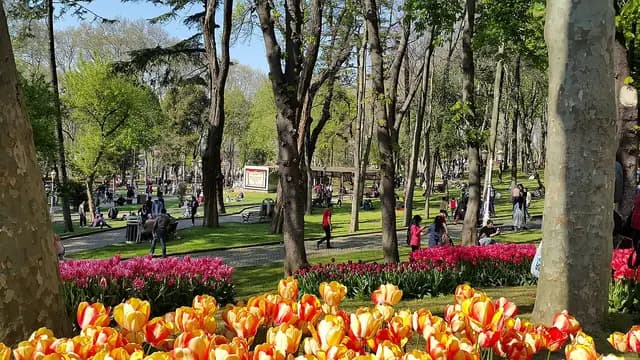
- April–June (including the Tulip Festival) and September–November; July–September for the Black Sea beaches
- Museum pass
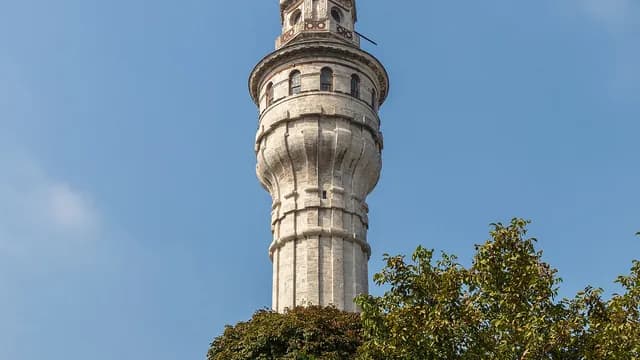
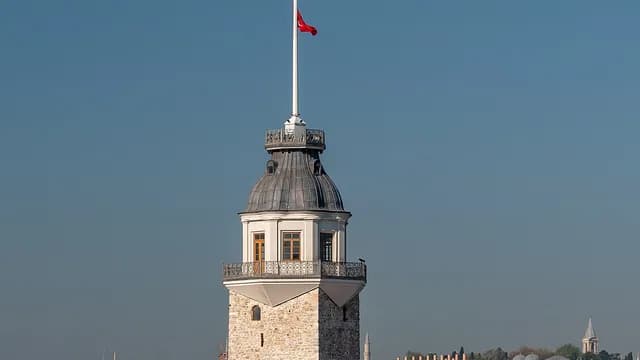
- Müzekart (Museum Pass) is valid at Ministry museums, Galata Tower, the Maiden's Tower (Kız Kulesi) and the National Palaces (Dolmabahçe, Beylerbeyi, etc.); İBB (municipal) museums (Basilica Cistern/Yerebatan, the Rumeli and Anadolu fortresses, etc.) require separate tickets
- Getting there
- İstanbul Airport (Arnavutköy) and Sabiha Gökçen Airport (Pendik); within the city, metro, Marmaray, tram, metrobus, ferry and funicular lines
- Places of worship
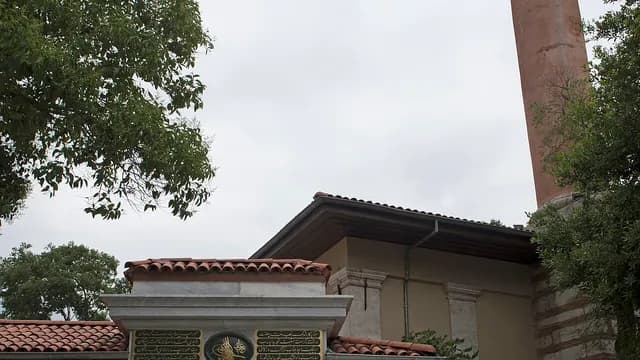
- Foreign visitors enter Hagia Sophia (Ayasofya) and Kariye with a ticket; in all mosques tourist visits pause during prayer times and appropriate dress is required