38 · City guide
Kayseri
Seljuk capital at the foot of Erciyes
Known in antiquity as Mazaka and Caesarea, Kayseri is one of the most important cities of Cappadocia. Just outside the city at Kültepe, cuneiform tablets left by the trading colony that Assyrian merchants founded in the 2nd millennium BC mark the beginning of Anatolia's written history. One of the capitals in the Seljuk period, Kayseri is like an open-air museum of Anatolian Seljuk architecture, with the Gevher Nesibe Hospital (Şifahiye), the Hunat Hatun Complex, the Sahabiye Madrasa and dozens of kümbets (domed tombs) scattered across the city. The Covered Bazaar, the Bedesten and the Vezir Han at the foot of the castle keep the trading tradition alive. In winter, 3,917-meter Erciyes becomes one of Türkiye's leading ski resorts. To the south, the Ramsar site of Sultan Sazlığı, the rock-cut churches of Soğanlı, the Aladağlar range and the Kapuzbaşı waterfalls await nature lovers. Ağırnas, the birthplace of Mimar Sinan, and Koramaz Valley offer a Cappadocia experience away from the crowds.
Machine translated — This content was machine-translated and may differ from the original Turkish text.49
Places
0
Routes
0
Badges
Where shall we explore?
 Machine translated — This content was machine-translated and may differ from the original Turkish text.
House museum
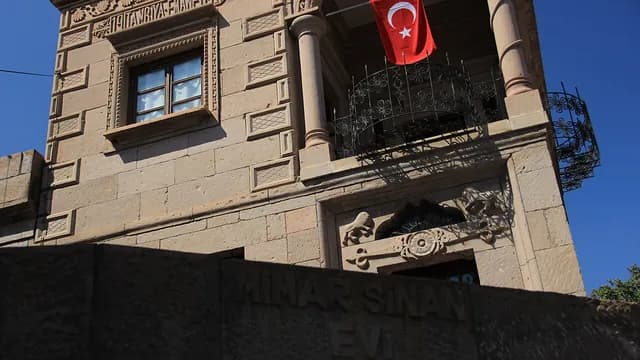
Ağırnas Mimar Sinan House
Melikgazi, Kayseri
A historic building in Ağırnas in the Koramaz Valley, restored as the house where Mimar Sinan was born; around it are tunnels and rock-cut spaces.
 Machine translated — This content was machine-translated and may differ from the original Turkish text.
National park
Aladağlar National Park (Kayseri)
Yahyalı, Kayseri
A national park covering the highest part of the Taurus, notable on the Yahyalı side for the Hacer Forest, the Aksu Canyon and the Kapuzbaşı waterfalls.
 Machine translated — This content was machine-translated and may differ from the original Turkish text.
Picnic area
Ali Dağı Picnic Area
Talas, Kayseri
A picnic and viewing area loved by city residents, southeast of Talas, rising to 1,870 meters and offering a bird's-eye view of Kayseri.
- Machine translated — This content was machine-translated and may differ from the original Turkish text.
Family activity
Anadolu Harikalar Diyarı (Anatolian Wonderland)
Kocasinan, Kayseri
One of Kayseri's largest city parks in Kocasinan, with green areas, a pond and playgrounds; a place for families to spend the whole day.
- Machine translated — This content was machine-translated and may differ from the original Turkish text.
Mosque
Bünyan Ulu Mosque (Grand Mosque)
Bünyan, Kayseri
A historic mosque, also known as the Salih Bey Mosque, commissioned by Emir Zahireddin Mahmud in 1333 in the Ilkhanid period.
- Machine translated — This content was machine-translated and may differ from the original Turkish text.
Tomb (türbe)
Çifte Kümbet (Melike Adile Kümbet)
Melikgazi, Kayseri
A kümbet with an octagonal body on Sivas Bulvarı, built in 1247 for Melike Adile Hatun, wife of the Seljuk Sultan Alaeddin Keykubad I.
 Machine translated — This content was machine-translated and may differ from the original Turkish text.
Waterfall
Derebağ Waterfall
Yahyalı, Kayseri
A waterfall about 10 km from Yahyalı, falling some 15 meters over reddish rocks, with surroundings made visitable through landscaping.
- Machine translated — This content was machine-translated and may differ from the original Turkish text.
Mosque
Develi Ulu Mosque (Grand Mosque)
Develi, Kayseri
A Seljuk-period mosque, also known as the Sivasi Hatun Mosque, commissioned in 1281 according to its inscription.
 Machine translated — This content was machine-translated and may differ from the original Turkish text.
Tomb (türbe)
Döner Kümbet
Melikgazi, Kayseri
The most famous of Kayseri's kümbets, built in 1276 for Şah Cihan Hatun, with its twelve facets decorated with reliefs of plants and animal figures.
- Machine translated — This content was machine-translated and may differ from the original Turkish text.
Tomb (türbe)
Emir Melik Gazi Kümbet
Pınarbaşı, Kayseri
A Danishmendid kümbet at the foot of Zamantı Castle with an early-period character and facades with geometric brick decoration, popularly called the 'Tomb with Mummies'.
 Machine translated — This content was machine-translated and may differ from the original Turkish text.
Summit
Erciyes Dağı (Mount Erciyes)
Melikgazi, Kayseri
At 3,917 meters, the highest mountain in Central Anatolia; a large extinct stratovolcano that formed the tuff layers of Cappadocia.
 Machine translated — This content was machine-translated and may differ from the original Turkish text.
Ski resort
Erciyes Ski Center
Melikgazi, Kayseri
One of Türkiye's leading ski centers, with runs between 2,150 and 3,400 meters on the northern and eastern slopes of Mount Erciyes.
 Machine translated — This content was machine-translated and may differ from the original Turkish text.
History and archaeology
Fıraktın Rock Relief
Develi, Kayseri
A 13th-century BC rock relief east of Develi depicting the Hittite king Hattusili III and queen Puduhepa making offerings to the gods.
 Machine translated — This content was machine-translated and may differ from the original Turkish text.
Museum
Gevher Nesibe Şifahiyesi (Museum of Seljuk Civilization)
Kocasinan, Kayseri
Founded in 1206 by the will of Gevher Nesibe Sultan, one of Anatolia's first medical schools and hospitals; today the Museum of Seljuk Civilization.
 Machine translated — This content was machine-translated and may differ from the original Turkish text.
Museum
Güpgüpoğlu Mansion Ethnography Museum
Melikgazi, Kayseri
One of the finest examples of Kayseri's historic mansion architecture, with an ethnography museum in its selamlık section and a 'museum house' in its harem section.
 Machine translated — This content was machine-translated and may differ from the original Turkish text.
Mosque
Hacı Kılıç Mosque and Madrasa
Kocasinan, Kayseri
A unique Seljuk work commissioned in 1249 by Ebu'l-Kasım bin Ali et-Tusi, combining a mosque and a madrasa in a single building.
- Machine translated — This content was machine-translated and may differ from the original Turkish text.
History and archaeology
Hızır İlyas Pavilion (Köşk)
Kocasinan, Kayseri
One of the rare surviving examples of Anatolian Seljuk pavilions, built in 1241 on Hıdırellez Hill in Erkilet in the time of Gıyaseddin Keyhüsrev II.
 Machine translated — This content was machine-translated and may differ from the original Turkish text.
Madrasa and külliye (complex)
Hunat Hatun Complex
Melikgazi, Kayseri
A Seljuk complex consisting of a mosque, madrasa, double hamam and tomb, commissioned in 1238 by Mahperi Hunat Hatun, wife of Sultan Alaeddin Keykubad I.
 Machine translated — This content was machine-translated and may differ from the original Turkish text.
Waterfall
Kapuzbaşı Waterfalls
Yahyalı, Kayseri
A group of waterfalls in the Aladağlar, falling from a high rock wall straight from their source; counted among Türkiye's highest waterfalls.
 Machine translated — This content was machine-translated and may differ from the original Turkish text.
Han and caravanserai
Kara Mustafa Paşa Complex and Caravanserai
İncesu, Kayseri
A large Ottoman staging-post complex at İncesu consisting of a caravanserai, mosque, hamam and arasta, commissioned in 1660 by Merzifonlu Kara Mustafa Paşa.
- Machine translated — This content was machine-translated and may differ from the original Turkish text.
Aqueduct and cistern
Karakuyu Hittite Dam
Pınarbaşı, Kayseri
An earth-embankment dam from the 13th century BC near the village of Karakuyu in Pınarbaşı, known for its block stones inscribed in the name of the Hittite king Tudhaliya IV.
 Machine translated — This content was machine-translated and may differ from the original Turkish text.
Han and caravanserai
Karatay Han
Bünyan, Kayseri
A two-part caravanserai with a masjid and hamam on the Kayseri–Malatya road, commissioned by the Seljuk vizier Celâleddin Karatay.
- Machine translated — This content was machine-translated and may differ from the original Turkish text.
Church
Kavaklı Village Mosque (Church of St. Basil)
Özvatan, Kayseri
A 19th-century church converted into a mosque in the village of Kavaklı in Özvatan, known for its monumental courtyard gate with a pediment and its bell tower with a marble bust of a woman.
 Machine translated — This content was machine-translated and may differ from the original Turkish text.
Museum
Kayseri Archaeology Museum
Melikgazi, Kayseri
A museum displaying chronologically, in its new building inside Kayseri Castle, works from the Chalcolithic Age to the Ottoman period and the Kültepe finds.
 Machine translated — This content was machine-translated and may differ from the original Turkish text.
House museum
Kayseri Atatürk House Museum
Melikgazi, Kayseri
A 19th-century mansion, also known as the İmamzade Raşit Ağa Mansion, where Mustafa Kemal stayed two nights on 19–20 December 1919.
 Machine translated — This content was machine-translated and may differ from the original Turkish text.
Castle
Kayseri Castle
Melikgazi, Kayseri
A castle in the very center of the city, founded in the Roman period and repaired in the Byzantine, Seljuk and Ottoman periods, known for its walls of dark volcanic stone.
 Machine translated — This content was machine-translated and may differ from the original Turkish text.
Bazaar and arasta
Kayseri Covered Bazaar, Bedesten and Vezir Hanı
Melikgazi, Kayseri
One of Türkiye's largest covered bazaars, consisting of the Bedesten dated 1497, the Vezir Hanı dated 1727 and the Covered Bazaar rebuilt in the 19th century.
 Machine translated — This content was machine-translated and may differ from the original Turkish text.
Clock tower
Kayseri Clock Tower
Kocasinan, Kayseri
A 15-meter cut-stone clock tower in Cumhuriyet Square, built in 1906 by order of Abdülhamid II.
 Machine translated — This content was machine-translated and may differ from the original Turkish text.
Mosque
Kayseri Ulu Mosque (Grand Mosque)
Melikgazi, Kayseri
One of the oldest mosques in Anatolia of the deep-plan type, begun in the mid-12th century in the Danishmendid period.
- Machine translated — This content was machine-translated and may differ from the original Turkish text.
Hiking trail
Koramaz Valley
Melikgazi, Kayseri
A valley stretching 12 km along an earthquake fault, containing 42 rock churches and added to the UNESCO Tentative List in 2020.
 Machine translated — This content was machine-translated and may differ from the original Turkish text.
Mound (höyük)
Kültepe (Kanesh-Karum) Archaeological Site
Kocasinan, Kayseri
The mound and lower city of Kanesh-Karum, the Assyrian trading colony where 23,500 cuneiform tablets, Anatolia's first written documents, were found.
 Machine translated — This content was machine-translated and may differ from the original Turkish text.
Mosque
Kurşunlu Mosque (Hacı Ahmed Paşa Mosque)
Kocasinan, Kayseri
A 16th-century mosque named after its lead-covered dome (kurşun: lead), considered Mimar Sinan's only surviving work in Kayseri.
- Machine translated — This content was machine-translated and may differ from the original Turkish text.
Archaeological site
Lifos Dağı Archaeological Site
Hacılar, Kayseri
The remains of a mountain settlement of uncertain date, surrounded by a wall with 16 bastions, on the crater-shaped summit plain of Lifos Dağı northeast of Erciyes.
 Machine translated — This content was machine-translated and may differ from the original Turkish text.
Birdwatching site
Palas Tuzla Lake
Sarıoğlan, Kayseri
A tectonic salt lake of about 23.5 km² in Sarıoğlan; a first-degree natural protected site and Key Biodiversity Area since 1993, and a stopover for waterbirds.
- Machine translated — This content was machine-translated and may differ from the original Turkish text.
Castle
Safrantı Castle
Felahiye, Kayseri
The remains of an ancient castle near the town of Kayapınar in Felahiye, built on a 1902-meter pointed hill and known for its rock-cut cistern.
 Machine translated — This content was machine-translated and may differ from the original Turkish text.
Madrasa and külliye (complex)
Sahabiye Madrasa
Kocasinan, Kayseri
A madrasa commissioned in 1267–68 by the Seljuk vizier Sahib Ata Fahreddin Ali, notable for its muqarnas portal and lion-headed gargoyles.
 Machine translated — This content was machine-translated and may differ from the original Turkish text.
Bridge
Şahruh Bridge
Sarıoğlan, Kayseri
A historic eight-arched bridge 144.5 meters long in the village of Karaözü in Sarıoğlan, commissioned by the Dulkadirid Şahruh Bey.
- Machine translated — This content was machine-translated and may differ from the original Turkish text.
Reservoir and pond
Sarımsaklı Dam Lake
Melikgazi, Kayseri
The calm shores of the dam built in 1966–1968 on the Sarımsaklı Çayı; one of the areas recommended by the Kayseri provincial directorate for camping and caravans.
 Machine translated — This content was machine-translated and may differ from the original Turkish text.
Tomb (türbe)
Tomb of Seyyid Burhaneddin
Melikgazi, Kayseri
A domed tomb rebuilt in the Seljuk style in 1892 over the grave of Seyyid Burhâneddin Muhakkık-ı Tirmizî, Rumi's teacher.
 Machine translated — This content was machine-translated and may differ from the original Turkish text.
Archaeological site
Soğanlı Archaeological Site
Yeşilhisar, Kayseri
An archaeological site at the southeastern tip of Cappadocia, known for its rock-cut Byzantine churches, wine rooms and cloth dolls in a valley that divides into two branches.
 Machine translated — This content was machine-translated and may differ from the original Turkish text.
Han and caravanserai
Sultan Hanı (Tuzhisar)
Bünyan, Kayseri
Türkiye's second-largest medieval caravanserai, commissioned in 1232–1237 by Alaeddin Keykubad I on the Kayseri–Sivas road.
 Machine translated — This content was machine-translated and may differ from the original Turkish text.
Birdwatching site
Sultan Sazlığı National Park
Yeşilhisar, Kayseri
A 24,000-hectare Ramsar-listed wetland in the closed basin between Erciyes and the Aladağlar; an important stopover for flamingos and migratory birds.
 Machine translated — This content was machine-translated and may differ from the original Turkish text.
Church
Surp Krikor Lusavoriç Church
Melikgazi, Kayseri
An Armenian Apostolic church first recorded in 1191 and rebuilt in 1859, today the only church in Kayseri open for worship.
- Machine translated — This content was machine-translated and may differ from the original Turkish text.
Church
Taşlık Village Mosque (Church of St. George)
Özvatan, Kayseri
A basilica in the village of Taşlık in Özvatan that preserves its identity as a 19th-century church with its bell tower and columns with Corinthian capitals, now used as a mosque.
 Machine translated — This content was machine-translated and may differ from the original Turkish text.
Reservoir and pond
Yamula Dam Lake
Kocasinan, Kayseri
Kayseri's largest water surface, with a lake area of 85 km² on the Kızılırmak; a reservoir popular for shoreline walks, photography and camping.
- Machine translated — This content was machine-translated and may differ from the original Turkish text.
History and archaeology
Yazıkışla Temple Tomb
Felahiye, Kayseri
A Roman-period temple-shaped monumental tomb standing up to its cornice in the middle of fields in Felahiye, notable for its pilasters with Corinthian capitals.
- Machine translated — This content was machine-translated and may differ from the original Turkish text.
Waterfall
Yeşilköy Waterfall
Yahyalı, Kayseri
A small waterfall amid greenery at Yeşilköy near Yahyalı, formed on the Zamantı River by waters emerging from four springs.
- Machine translated — This content was machine-translated and may differ from the original Turkish text.
Castle
Zamantı (Melikgazi) Castle
Pınarbaşı, Kayseri
A 13-towered castle in the village of Melikgazi in Pınarbaşı, controlling the Zamantı and Elbistan roads, built by the Byzantines and strengthened in the Danishmendid and Seljuk periods.
- Machine translated — This content was machine-translated and may differ from the original Turkish text.
Rafting
Zamantı River Rafting Course
Tomarza, Kayseri
The most heavily used rafting and canoeing course on the Zamantı River in Kayseri, between the Şıhbarak and Böke localities in Tomarza.
Practical information
Machine translated — This content was machine-translated and may differ from the original Turkish text.- Note
- See muze.gov.tr for current museum hours; do not drive up Erciyes in winter without snow chains and winter tires.
- Climate
- Continental climate; cold, snowy winters and hot, dry summers. Weather conditions on Erciyes change quickly.
- Best time
- April–June and September–October for cultural trips; December–April for skiing; spring and autumn migrations for birdwatching at Sultan Sazlığı.
- Getting there
- Kayseri Erkilet Airport is about 10 km from the city; railway and an extensive bus network. In the city, the Kayseray tram connects the historic center with Talas and the Erciyes direction.
- Getting around
- The Castle, Ulu Mosque, Covered Bazaar, Hunat Hatun and Gevher Nesibe are within walking distance; the Kümbetler Route (Tombs Route) is a city walk of about 11 km.