37 · City guide
Kastamonu
From the capital of the Candaroğulları to a land of canyons
Kastamonu is an old city that takes its name from the Byzantine-era Komnenos Castle and served as the seat of the Çobanoğulları and Candaroğulları beyliks. In the neighborhoods at the foot of the castle, the Atabey Gazi, İbn Neccâr, Nasrullah and İsmail Bey buildings, the Liva Paşa Mansion and the Archaeology Museum tell the city's history. The Mahmut Bey Mosque in Kasaba village, with its wooden ceiling, is a UNESCO World Heritage Site. To the north are the Valla, Horma and Çatak canyons of Küre Mountains National Park, Ilıca Waterfall and Ilgarini Cave; to the south lie the forests and ski resort of Mount Ilgaz. The coves of İnebolu, Cide and Çatalzeytin form the coastline where the İstiklal Yolu (Road of Independence) began.
Machine translated — This content was machine-translated and may differ from the original Turkish text.41
Places
0
Routes
0
Badges
Where shall we explore?
- Machine translated — This content was machine-translated and may differ from the original Turkish text.
Mosque
Abdurrahman Paşa Mosque (Tosya)
Tosya, Kastamonu
Tosya's largest classical-period Ottoman mosque, built in 1582 by Mimar Sinan's students to his plan.
- Machine translated — This content was machine-translated and may differ from the original Turkish text.
Castle
Ağlı Castle
Ağlı, Kastamonu
Castle remains considered the most important building surviving from Ağlı's period under Byzantine rule.
- Machine translated — This content was machine-translated and may differ from the original Turkish text.
Castle
Araç Castle
Araç, Kastamonu
A small district castle on a rock overlooking the Araç Çayı, founded in the Byzantine period and repaired in the Ottoman era.
 Machine translated — This content was machine-translated and may differ from the original Turkish text.
Mosque
Atabey Gazi Mosque (Kastamonu Ulu Mosque)
Merkez, Kastamonu
The Kastamonu Ulu Mosque, commissioned in 1273 by Muzaffereddin Yavlak Arslan, called 'Kırk Direkli' because of the forty wooden pillars inside.
- Machine translated — This content was machine-translated and may differ from the original Turkish text.
Historic mansion
Balabanağa Mansion
Daday, Kastamonu
An Ottoman mansion in the village of İnciğez near Daday, known for its 17th-century woodwork.
- Machine translated — This content was machine-translated and may differ from the original Turkish text.
Forest
Ballıdağ
Daday, Kastamonu
Daday's nature and ecotourism area, with forests of black pine, Scots pine, beech and fir.
- Machine translated — This content was machine-translated and may differ from the original Turkish text.
Tomb (türbe)
Benli Sultan Complex
Merkez, Kastamonu
A group of tomb and mosque buildings in the village of Benli Sultan north of Ilgaz Dağı, accepted as having been founded in the early 16th century.
 Machine translated — This content was machine-translated and may differ from the original Turkish text.
Canyon
Çatak Canyon Glass Viewing Terrace
Azdavay, Kastamonu
A canyon 7–8 km long near Azdavay, whose depth of hundreds of meters can be viewed from the glass viewing terrace opened in 2017.
 Machine translated — This content was machine-translated and may differ from the original Turkish text.
Architecture
Cumhuriyet Square and Government House
Merkez, Kastamonu
A city square surrounded by the Government House by the architect Vedat Tek and historic public buildings, with the Atatürk and Şerife Bacı Monument.
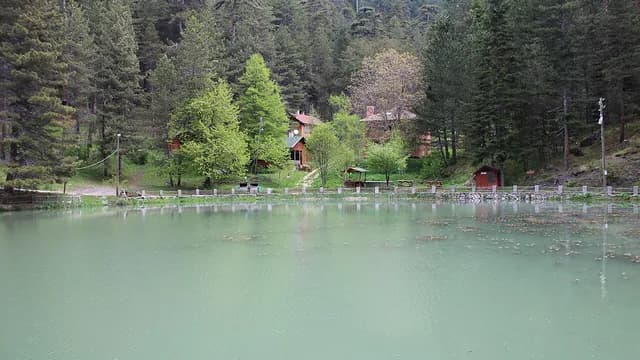 Machine translated — This content was machine-translated and may differ from the original Turkish text.
Nature park
Dipsizgöl Nature Park
Tosya, Kastamonu
A nature park declared in 2011 around a small lake surrounded by forest in the village of Çiftler, Tosya.
 Machine translated — This content was machine-translated and may differ from the original Turkish text.
Canyon
Ersizlerdere Canyon Nature Park
Küre, Kastamonu
A canyon on the Küre–İnebolu road, declared a nature park in 2020, named after the village men who fell as martyrs in the War of Independence.
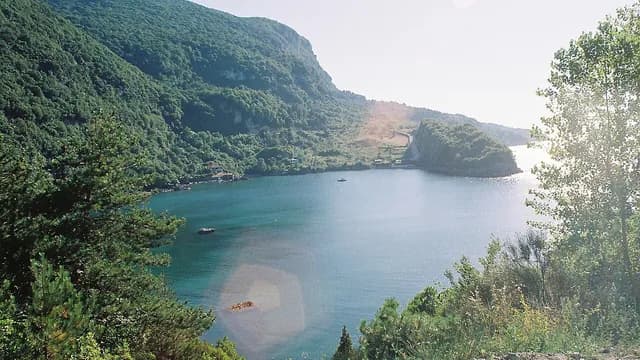 Machine translated — This content was machine-translated and may differ from the original Turkish text.
Bay
Gideros Bay
Cide, Kastamonu
A naturally protected bay between Cide and Kurucaşile, whose mouth is two boats wide, said to have been a pirates' hiding place.
 Machine translated — This content was machine-translated and may differ from the original Turkish text.
Bay
Ginolu Bay
Çatalzeytin, Kastamonu
A natural bay near Çatalzeytin, mentioned together with the remains of the ancient settlement of Cinolis, also known as a pirates' cove.
- Machine translated — This content was machine-translated and may differ from the original Turkish text.
Han and caravanserai
Gökçeağaç Han
Hanönü, Kastamonu
An old caravanserai building, claimed to be of church origin, which gave the district its name.
 Machine translated — This content was machine-translated and may differ from the original Turkish text.
Canyon
Horma Canyon
Pınarbaşı, Kastamonu
A canyon in the village of Ilıca, Pınarbaşı, full of waterfalls and natural pools, toured via a wooden walkway fixed to the canyon wall.
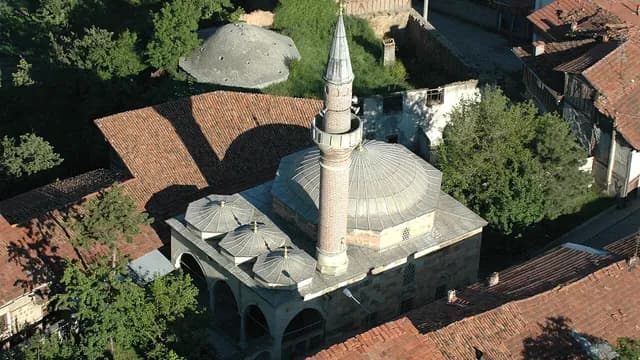 Machine translated — This content was machine-translated and may differ from the original Turkish text.
Mosque
İbn-i Neccar Mosque
Merkez, Kastamonu
The İbn Neccâr Mosque, dated 1353, from the Çobanoğulları period; a quiet stop in the old neighborhoods at the foot of the castle.
- Machine translated — This content was machine-translated and may differ from the original Turkish text.
Cave
Ilgarini Cave
Pınarbaşı, Kastamonu
A deep cave in the Küre Mountains, known for its huge entrance, reached with a guide on a demanding forest hike.
 Machine translated — This content was machine-translated and may differ from the original Turkish text.
National park
Ilgaz Dağı National Park
Merkez, Kastamonu
A national park established in 1976 in the transition zone from the Black Sea to Central Anatolia, with black pine and fir forests, wildlife and winter sports.
 Machine translated — This content was machine-translated and may differ from the original Turkish text.
Ski resort
Ilgaz Ski Center
Merkez, Kastamonu
A winter sports area within the Ilgaz Dağı National Park, one of the ski centers closest to Ankara, with a run and chairlifts.
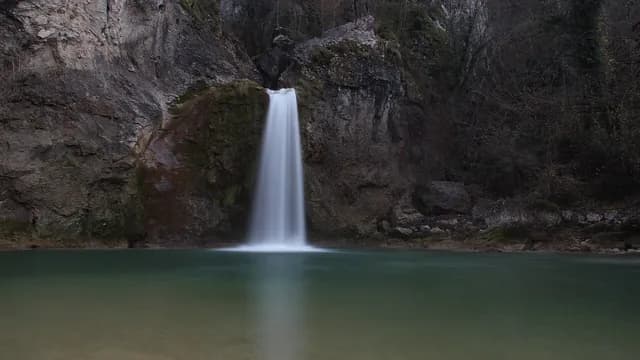 Machine translated — This content was machine-translated and may differ from the original Turkish text.
Waterfall
Ilıca Waterfall
Pınarbaşı, Kastamonu
A waterfall surrounded by trees at the end of the Horma Canyon, falling about 10 meters into a natural pool.
 Machine translated — This content was machine-translated and may differ from the original Turkish text.
Lighthouse
İnebolu Lighthouse
İnebolu, Kastamonu
A historic lighthouse in İnebolu's Camikebir neighborhood, guiding the way to the harbor since 1863.
- Machine translated — This content was machine-translated and may differ from the original Turkish text.
Architecture
İnebolu Türk Ocağı Building
İnebolu, Kastamonu
The building, restored in 2006, where Atatürk gave his historic speech on the Hat and Clothing Reform on 27 August 1925.
- Machine translated — This content was machine-translated and may differ from the original Turkish text.
Mosque
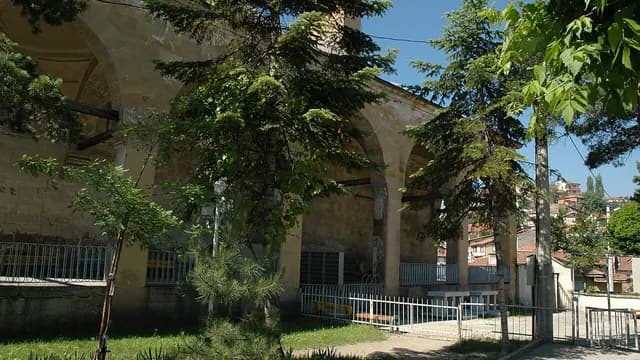
İsmail Bey Mosque and Hamam (Devrekani)
Devrekani, Kastamonu
Devrekani's historic center, with a hamam about 550 years old built in the name of the Candarid İsmail Bey and the mosque beside it.
 Machine translated — This content was machine-translated and may differ from the original Turkish text.
Madrasa and külliye (complex)
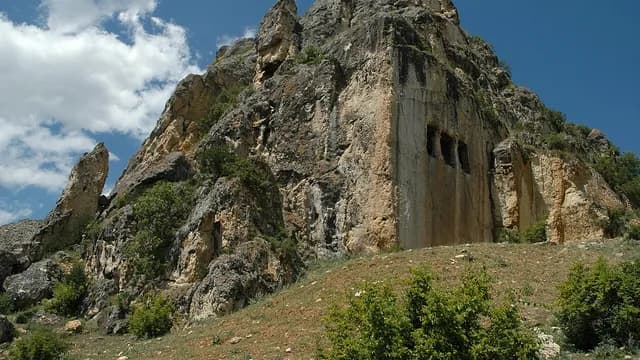
İsmail Bey Complex
Merkez, Kastamonu
The principality's largest complex, consisting of a mosque, imaret, madrasa, tomb and han, commissioned on the Şehinşahkayası hill by the Candarid İsmail Bey in 1454.
 Machine translated — This content was machine-translated and may differ from the original Turkish text.
Rock tomb
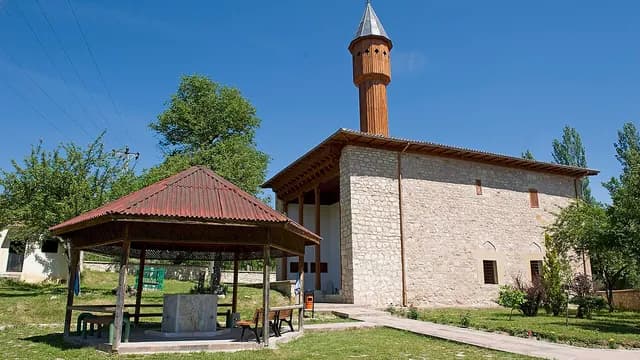
Kalekapı Rock Tomb
Taşköprü, Kastamonu
A monumental Paphlagonian rock tomb carved into a steep rock mass near the village of Donalar in Taşköprü.
 Machine translated — This content was machine-translated and may differ from the original Turkish text.
Mosque
Kasaba Village Mahmut Bey Mosque
Merkez, Kastamonu
A Candarid mosque dated 1366, famous for its wooden ceiling built without nails and its painted decoration; a UNESCO World Heritage Site since 2023.
 Machine translated — This content was machine-translated and may differ from the original Turkish text.
Museum
Kastamonu Archaeology Museum
Merkez, Kastamonu
A museum displaying works from the Hittites to the Ottomans in a historic building designed by the architect Kemaleddin, where Atatürk gave a speech in 1925.
 Machine translated — This content was machine-translated and may differ from the original Turkish text.
Castle
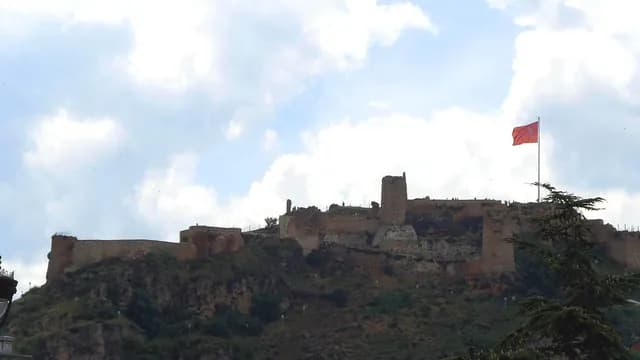
Kastamonu Castle
Merkez, Kastamonu
A medieval castle on the rocky hill southwest of the city, thought to take its name from the Byzantine-period 'Castle of the Komnenoi'.
 Machine translated — This content was machine-translated and may differ from the original Turkish text.
Clock tower
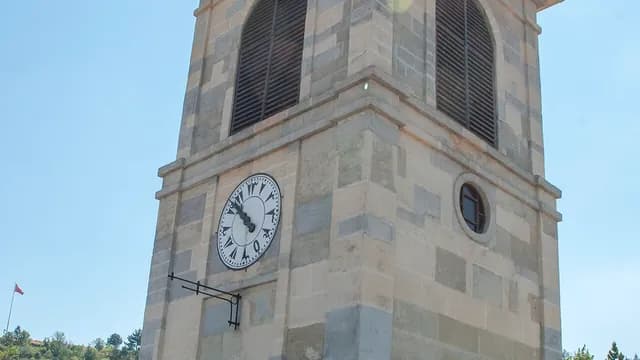
Kastamonu Clock Tower
Merkez, Kastamonu
A clock tower built in 1885 on the slope east of the city, one of the favorite viewpoints of Kastamonu thanks to its position facing the castle.
 Machine translated — This content was machine-translated and may differ from the original Turkish text.
Lighthouse
Kerempe Lighthouse
Cide, Kastamonu
A historic lighthouse built in 1885 on a cliff 82 meters above the sea in the village of Aydıncık in Cide.
 Machine translated — This content was machine-translated and may differ from the original Turkish text.
National park
Küre Mountains National Park
Azdavay, Kastamonu
A national park between Kastamonu and Bartın, with canyons, caves and karstic forests counted among Europe's forest hotspots in need of protection.
- Machine translated — This content was machine-translated and may differ from the original Turkish text.
Mosque
Küre Ulu Mosque (Hoca Şemseddin Mosque)
Küre, Kastamonu
A historic mosque in the Küre district center, understood from its endowment deed dated 1465–66 to have been commissioned before then by Hoca Şemseddin.
- Machine translated — This content was machine-translated and may differ from the original Turkish text.
Museum
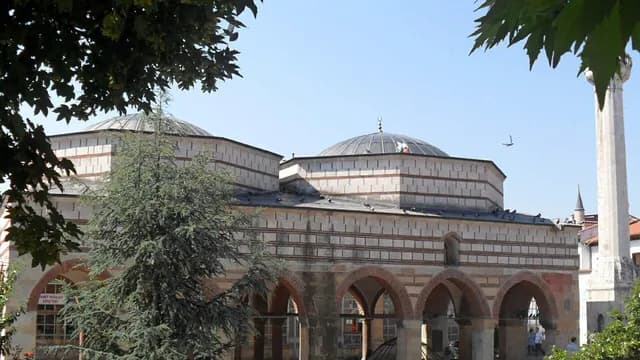
Liva Paşa Mansion Ethnography Museum
Merkez, Kastamonu
An ethnography museum in the three-story Liva Paşa Mansion dated 1887, displaying Kastamonu's urban life and the wooden door of the Kasaba Mosque.
 Machine translated — This content was machine-translated and may differ from the original Turkish text.
Mosque
Nasrullah Mosque and Square
Merkez, Kastamonu
A nine-domed mosque commissioned by Kadı Nasrullah in 1506, the symbol of Kastamonu with its square, şadırvan and bridge.
 Machine translated — This content was machine-translated and may differ from the original Turkish text.
Ancient city
Pompeiopolis Ancient City
Taşköprü, Kastamonu
A Paphlagonian city founded in the 1st century BC by the Roman general Pompey, with excavations ongoing on Zımbıllı Tepe opposite Taşköprü.
 Machine translated — This content was machine-translated and may differ from the original Turkish text.
Tomb (türbe)
Şeyh Şaban-ı Veli Complex
Merkez, Kastamonu
The city's most visited faith site, with the tomb, mosque, lodge and foundation museum of Şeyh Şaban-ı Veli, founder of the Şâbâniyye branch of the Halveti order.
- Machine translated — This content was machine-translated and may differ from the original Turkish text.
Mosque
Seyyid Zülfikar Mosque and Tomb
Seydiler, Kastamonu
The historic mosque and tomb of the settlement founded with the tekke of the dervish Seyyid Zülfikar, who gave Seydiler its name.
 Machine translated — This content was machine-translated and may differ from the original Turkish text.
Bridge
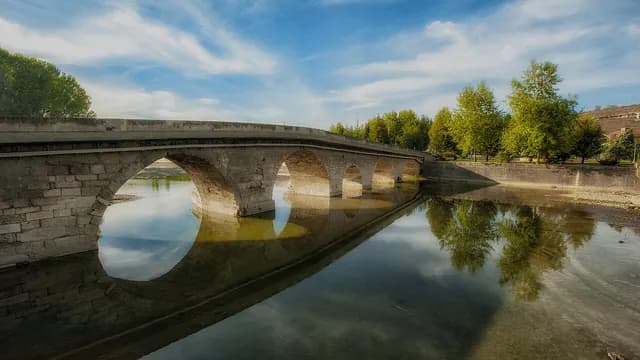
Historic Stone Bridge (Taşköprü)
Taşköprü, Kastamonu
A seven-span, 68-meter historic stone bridge over the Gökırmak, which gave the district its name.
 Machine translated — This content was machine-translated and may differ from the original Turkish text.
Canyon
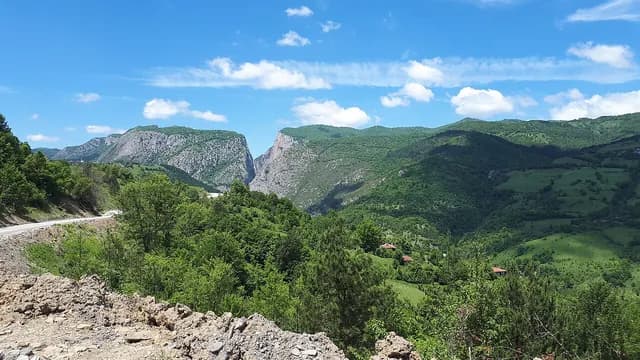
Valla Canyon
Pınarbaşı, Kastamonu
One of Türkiye's deepest canyons, formed where the Devrekani Çayı cuts through the Küre Mountains, with a depth reaching 800 meters.
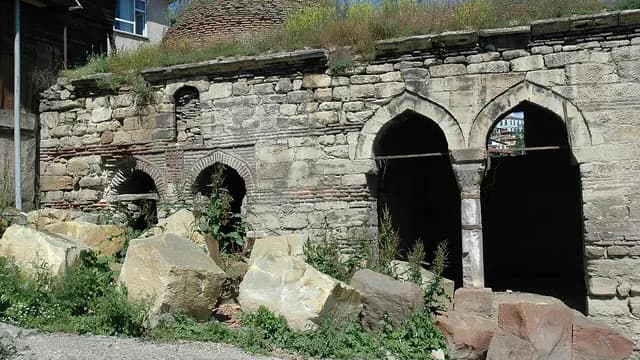 Machine translated — This content was machine-translated and may differ from the original Turkish text.
Madrasa and külliye (complex)
Yakup Ağa Complex
Merkez, Kastamonu
The Yakup Ağa Complex of the classical Ottoman period, with mosque and madrasa sections, in the old neighborhoods at the foot of the castle.
- Machine translated — This content was machine-translated and may differ from the original Turkish text.
Nature park
Yeşilyuva Nature Park
Abana, Kastamonu
A 5-hectare coastal nature park on the Abana–Çatalzeytin road, offering swimming and camping.
Practical information
Machine translated — This content was machine-translated and may differ from the original Turkish text.- Note
- Canyon trails may close in winter; carry chains on the Ilgaz road in winter
- Climate
- Continental inland, mild and rainy in the coastal districts
- Best time
- May–October; early summer for canyon hikes, December–March for skiing
- Getting there
- Kastamonu Airport; road connection to Ankara via Ilgaz
- Getting around
- The castle, Nasrullah Square and the museums are walkable; a vehicle is needed for the canyons and coastal districts