50 · City guide
Nevşehir
Land of fairy chimneys and underground cities
Nevşehir lies at the center of a unique landscape shaped by wind and water eroding the soft tuff layers formed by volcanic ash erupted from Erciyes, Hasandağı and Göllüdağ. Its fairy chimneys, valleys and thousands of rock-carved spaces have been on the UNESCO World Heritage List since 1985 as 'Göreme National Park and the Rock Sites of Cappadocia'. Visitors explore fresco-decorated Byzantine-era churches in the Göreme and Zelve open-air museums, and underground cities able to shelter thousands of people in Derinkuyu, Kaymaklı and Özkonak. The Güvercinlik, Güllüdere, Kızılçukur and Aşk (Love) valleys are full of hiking routes; in the mornings the sky is colored by hot-air balloons. The stone mansions of Ürgüp and Mustafapaşa, the pottery workshops of Avanos on the banks of the Kızılırmak and the Hacı Bektaş Veli Dervish Lodge (Dergâh) in Hacıbektaş complete the province's cultural richness. Nevşehir, whose name means 'new city', received it when Damat İbrahim Paşa rebuilt his birthplace, the village of Muşkara, during the Tulip Era; it offers a different beauty in every season.
Machine translated — This content was machine-translated and may differ from the original Turkish text.43
Places
0
Routes
0
Badges
Where shall we explore?
 Machine translated — This content was machine-translated and may differ from the original Turkish text.
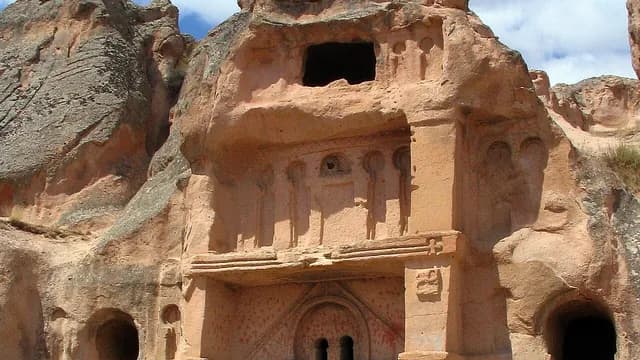
Archaeological site
Açıksaray Archaeological Site
Gülşehir, Nevşehir
An archaeological site 3 km south of Gülşehir, with residential complexes with monumental facades carved into tuff, rock churches and mushroom-shaped rocks.
 Machine translated — This content was machine-translated and may differ from the original Turkish text.
Natural monument
Aşk Vadisi (Love Valley, Bağlıdere)
Merkez, Nevşehir
A valley between Göreme and Avanos known for its tall, pointed fairy chimneys, standing out for its hikes and balloon views.
 Machine translated — This content was machine-translated and may differ from the original Turkish text.
Historic street and neighborhood
Avanos Old Bazaar and the Kızılırmak Riverside
Avanos, Nevşehir
The historic center of Avanos, spread on both banks of the Kızılırmak, with a pottery tradition continuing since the Hittite period, stone houses and a riverside walk.
 Machine translated — This content was machine-translated and may differ from the original Turkish text.
Church
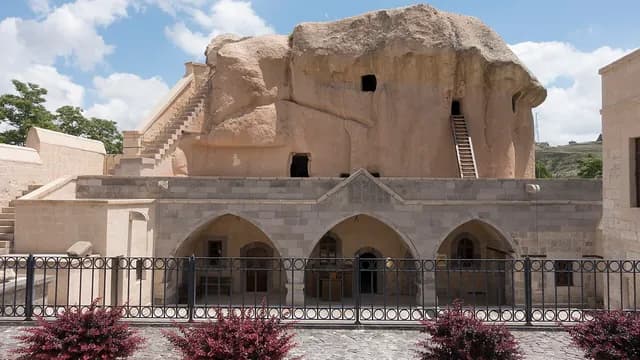
Church of Saints Constantine and Helena
Ürgüp, Nevşehir
A church on Mustafapaşa square, built in 1729 and repaired again in 1850, one of the most important churches of Sinasos.
 Machine translated — This content was machine-translated and may differ from the original Turkish text.
Monastery
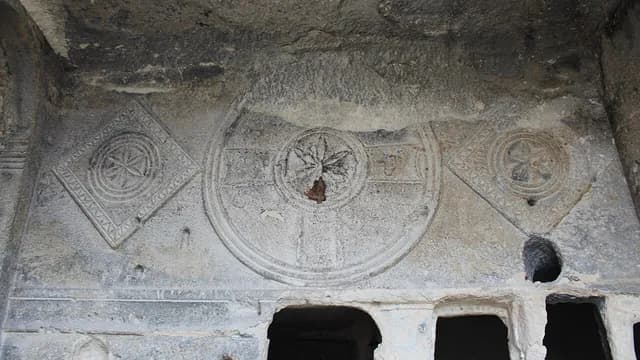
Monastery of St. Nicholas
Ürgüp, Nevşehir
A four-part monastery, half carved into the rock, dedicated to St. Nicholas of Myra, in the Monastery Valley 1 km south of Mustafapaşa.
 Machine translated — This content was machine-translated and may differ from the original Turkish text.
Church
Çavuşin Old Village and Church of St. John the Baptist
Avanos, Nevşehir
The Church of St. John the Baptist, carved into a large rock slope at the top of Çavuşin's abandoned old village and counted among the oldest churches in Cappadocia.
 Machine translated — This content was machine-translated and may differ from the original Turkish text.
Madrasa and külliye (complex)
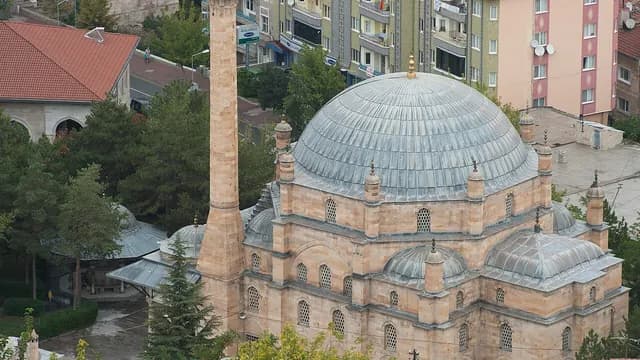
Damat İbrahim Paşa Complex (Kurşunlu Mosque)
Merkez, Nevşehir
A complex with a mosque, madrasa and library built in 1726 by the Tulip Era grand vizier Nevşehirli Damat İbrahim Paşa to turn his native village into a city.
 Machine translated — This content was machine-translated and may differ from the original Turkish text.
Church
Church of St. Theodore Tyron (Derinkuyu)
Derinkuyu, Nevşehir
A building in Derinkuyu built in 1858 for the local Greek Orthodox community, also known as the 'Grape Church' because of the grape reliefs on its exterior.
 Machine translated — This content was machine-translated and may differ from the original Turkish text.
Archaeological site
Derinkuyu Underground City
Derinkuyu, Nevşehir
Türkiye's largest excavated underground city, descending to a depth of about 85 meters, thought to have sheltered thousands of people with their animals and provisions.
 Machine translated — This content was machine-translated and may differ from the original Turkish text.
Natural monument
Devrent (Imagination) Valley
Ürgüp, Nevşehir
A natural rock valley with no traces of settlement, known as 'Imagination Valley' for its fairy chimneys resembling animal figures; its symbol is the camel-shaped rock.
 Machine translated — This content was machine-translated and may differ from the original Turkish text.
Church
El Nazar Church
Merkez, Nevşehir
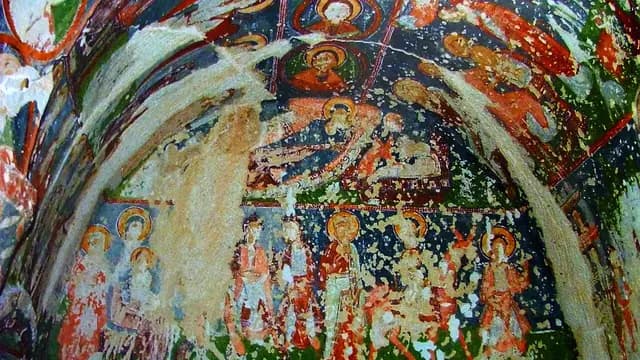
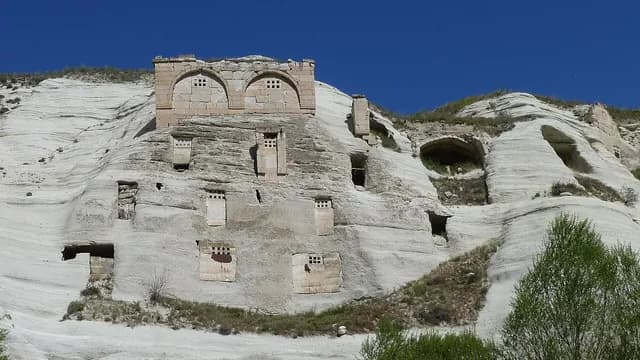
A fresco-decorated 10th-century church carved into a rock cone in the small valley between the town of Göreme and the open-air museum.
 Machine translated — This content was machine-translated and may differ from the original Turkish text.
Hiking trail
Gomeda Valley
Ürgüp, Nevşehir
A quiet walking valley west of Mustafapaşa, running along a stream and full of rock churches and dovecotes.
 Machine translated — This content was machine-translated and may differ from the original Turkish text.
Museum
Göreme Open-Air Museum
Merkez, Nevşehir
Cappadocia's best-known monastic settlement, with rock-carved, fresco-decorated churches, chapels and refectories; the heart of the UNESCO World Heritage Site.
- Machine translated — This content was machine-translated and may differ from the original Turkish text.
History and archaeology
Gorgoli Hill
Ürgüp, Nevşehir
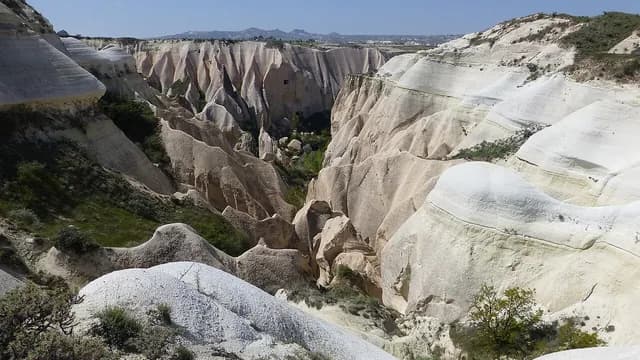
A hill 5 km south of Mustafapaşa, with the remains of the 19th-century Church of the Virgin Mary on its summit and rock-carved spaces and churches at its foot.
 Machine translated — This content was machine-translated and may differ from the original Turkish text.
Hiking trail
Güllüdere (Rose) Valley
Merkez, Nevşehir
A valley between Çavuşin and Kızılçukur suitable for hikers of all levels, with pink-toned rock layers and rock churches hidden in the valley.
 Machine translated — This content was machine-translated and may differ from the original Turkish text.
Hiking trail
Güvercinlik Valley (Pigeon Valley)
Merkez, Nevşehir
A valley descending from Uçhisar to Göreme, named after its countless rock-carved dovecotes, with a hiking trail of about 4 km.
- Machine translated — This content was machine-translated and may differ from the original Turkish text.
Faith
Hacı Bektaş Veli Çilehane (Retreat)
Hacıbektaş, Nevşehir
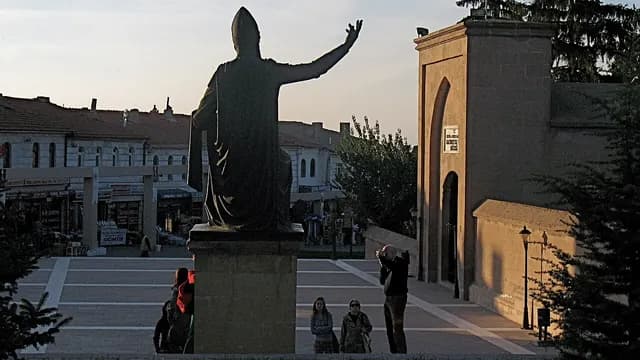
A faith and pilgrimage site outside the district center with the Delikli Taş cave, where Hacı Bektaş Veli is believed to have withdrawn into seclusion at times.
 Machine translated — This content was machine-translated and may differ from the original Turkish text.
Museum
Hacı Bektaş Veli Museum (Dervish Lodge)
Hacıbektaş, Nevşehir
The 13th-century dervish lodge housing the tomb of Hacı Bektaş Veli; a museum since 1964 and the most important pilgrimage center of the Alevi-Bektashi faith.
- Machine translated — This content was machine-translated and may differ from the original Turkish text.
Madrasa and külliye (complex)
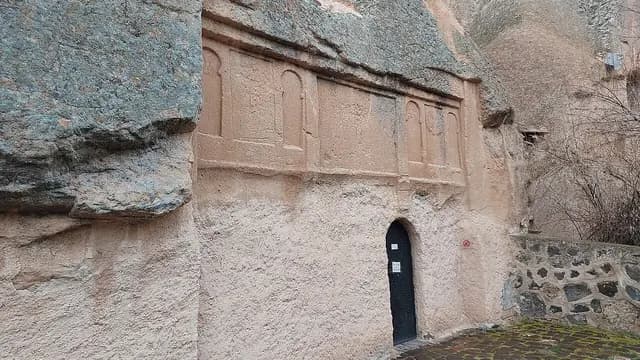
Karavezir Seyyid Mehmed Paşa Complex
Gülşehir, Nevşehir
A complex with a mosque, madrasa and fountain built by the Gülşehir-born grand vizier Karavezir Seyyid Mehmed Paşa to turn his native village of Arapsun into a town.
 Machine translated — This content was machine-translated and may differ from the original Turkish text.
Church
Karşı Kilise (Church of St. John)
Gülşehir, Nevşehir
A two-level church carved into a conical rock mass at the entrance to Gülşehir, important for its 13th-century upper-level frescoes and dated inscription.
 Machine translated — This content was machine-translated and may differ from the original Turkish text.
Archaeological site
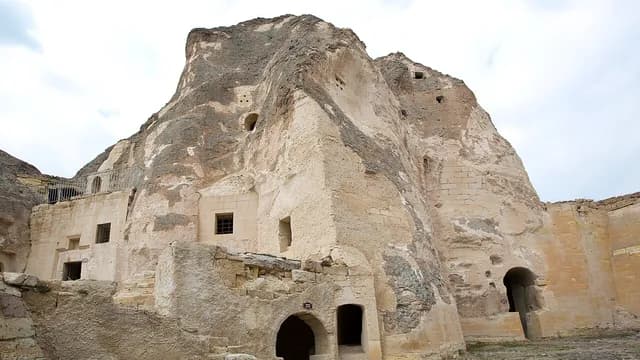
Kaymaklı Underground City
Merkez, Nevşehir
One of Cappadocia's most visited underground cities, on the Nevşehir–Niğde road, known to have eight levels, four of them open to visitors.
 Machine translated — This content was machine-translated and may differ from the original Turkish text.
Monastery
Keşlik Monastery
Ürgüp, Nevşehir
One of Cappadocia's most complete rock monastery complexes, near Cemil village, with two churches, a chapel, a refectory and a wine press.
- Machine translated — This content was machine-translated and may differ from the original Turkish text.
Church
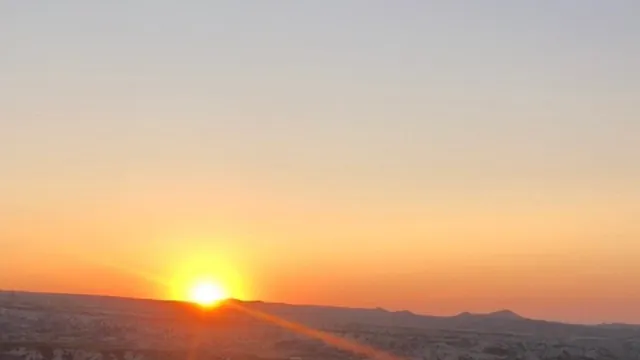
Church of the Forty Martyrs (Şahinefendi)
Ürgüp, Nevşehir
An early-13th-century rock church near Şahinefendi village, known for its rich frescoes depicting the lives of the Forty Martyrs of Sebasteia.
 Machine translated — This content was machine-translated and may differ from the original Turkish text.
Hiking trail
Kızılçukur Valley (Red Valley)
Ürgüp, Nevşehir
A famous valley and viewpoint between Çavuşin and Ortahisar, named after its rock walls that turn red at sunset.
 Machine translated — This content was machine-translated and may differ from the original Turkish text.
Hot spring
Kozaklı Hot Springs
Kozaklı, Nevşehir
Hot springs and spa facilities in Kozaklı, one of Central Anatolia's well-known thermal centers, which gave the district its fame.
- Machine translated — This content was machine-translated and may differ from the original Turkish text.
Archaeological site
Mazı Underground City
Ürgüp, Nevşehir
An underground city carved steeply into the valley slope west of Mazı village, with four entrances opening onto a central hall; its ancient name was Mataza.
 Machine translated — This content was machine-translated and may differ from the original Turkish text.
Madrasa and külliye (complex)
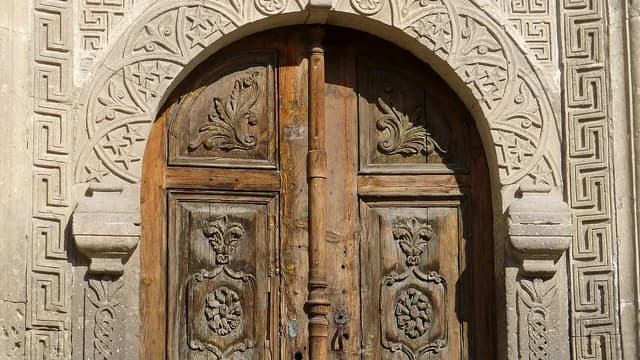
Mehmet Şakir Paşa Madrasa
Ürgüp, Nevşehir
A two-story madrasa in central Mustafapaşa, commissioned by the Egyptian Mehmet Şakir Paşa in 1899; its portal is considered a masterpiece of local stonework.
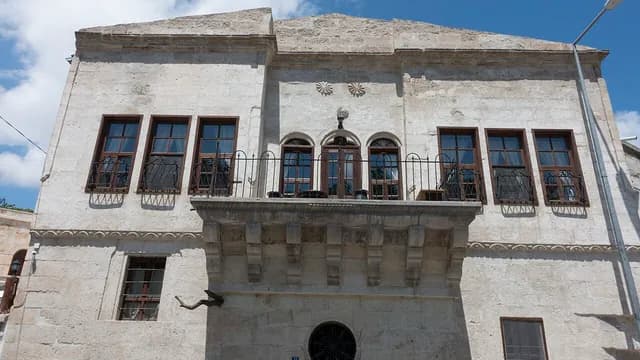 Machine translated — This content was machine-translated and may differ from the original Turkish text.
Village and rural life
Mustafapaşa (Sinasos)
Ürgüp, Nevşehir
A town formerly called Sinasos, with magnificent 19th-century stone mansions, churches and monasteries, selected by the World Tourism Organization as one of the Best Tourism Villages.
 Machine translated — This content was machine-translated and may differ from the original Turkish text.
Castle
Nevşehir Castle
Merkez, Nevşehir
A castle on the city's highest hill, thought to have been built in the Seljuk period to protect the caravan road, now used as a viewing terrace.
 Machine translated — This content was machine-translated and may differ from the original Turkish text.
Museum
Ortahisar Ethnography Museum
Ürgüp, Nevşehir
The area's first ethnography museum, open since 2004, bringing Cappadocian village life to life with mannequins.
 Machine translated — This content was machine-translated and may differ from the original Turkish text.
Castle
Ortahisar Castle
Ürgüp, Nevşehir
A giant rock mass rising about 90 meters in the middle of the town of Ortahisar, hollowed out with rooms; thought to have been a refuge in the Byzantine period.
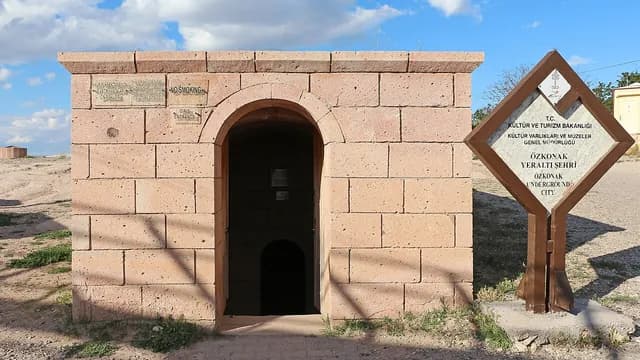 Machine translated — This content was machine-translated and may differ from the original Turkish text.
Archaeological site
Özkonak Underground City
Avanos, Nevşehir
An underground city on the northern slope of Mount İdiş, found by chance by a farmer in 1972, known for its rolling stone doors and communication holes between levels.
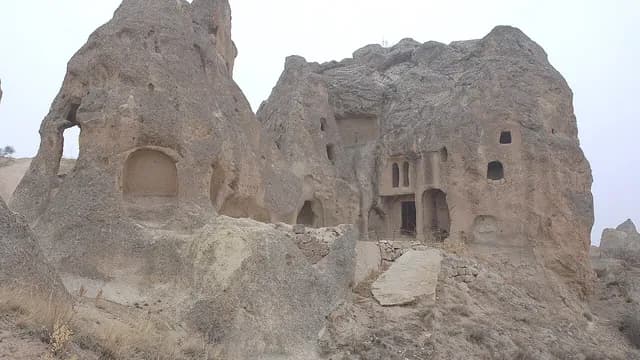 Machine translated — This content was machine-translated and may differ from the original Turkish text.
Church
Pancarlık Church
Ürgüp, Nevşehir
A little-known small rock church near Ortahisar, hidden among orange-toned rock formations, with well-preserved frescoes.
 Machine translated — This content was machine-translated and may differ from the original Turkish text.
Natural monument
Paşabağ (Monks Valley)
Avanos, Nevşehir
The valley with the highest concentration of multi-capped fairy chimneys; also known as Monks Valley because of its rock chapel dedicated to St. Simeon.
- Machine translated — This content was machine-translated and may differ from the original Turkish text.
Church
Sarıca Church
Ürgüp, Nevşehir
A rock church in the Pancarlık Valley between Ortahisar and Mustafapaşa, unearthed in 1996 and brought back to life by an award-winning restoration.
 Machine translated — This content was machine-translated and may differ from the original Turkish text.
Han and caravanserai
Sarıhan Caravanserai
Ürgüp, Nevşehir
A tuff-stone caravanserai on the Aksaray–Kayseri caravan route, built in 1249 and counted among the last examples of Seljuk sultan's hans.
 Machine translated — This content was machine-translated and may differ from the original Turkish text.
Ancient city
Sobesos Ancient City
Ürgüp, Nevşehir
A Roman–Byzantine city in Şahinefendi village, excavated since 2002, with 4th-century buildings and 1,500-year-old colorful floor mosaics.
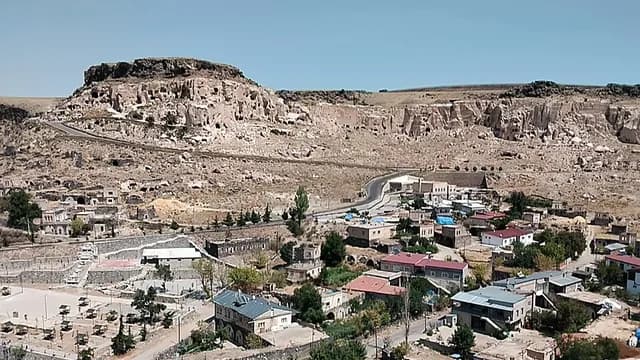 Machine translated — This content was machine-translated and may differ from the original Turkish text.
Archaeological site
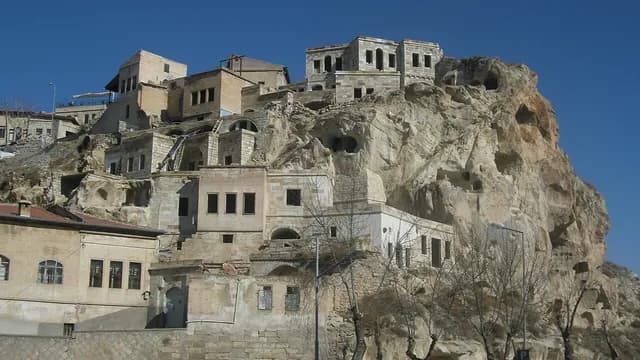
Tatlarin Underground City
Acıgöl, Nevşehir
An underground city beneath 'Kale' hill in the town of Tatlarin, thought to have been used as a garrison or monastery, with two churches and many storerooms.
 Machine translated — This content was machine-translated and may differ from the original Turkish text.
Viewpoint
Temenni Hill
Ürgüp, Nevşehir
A viewpoint hill rising in the middle of Ürgüp, named after the Seljuk tomb on its summit and its wish-making tradition, overlooking the town and the valleys.
 Machine translated — This content was machine-translated and may differ from the original Turkish text.
Church
Tokalı Church
Merkez, Nevşehir
Göreme's largest rock church, famous for its frescoes that tell the life of Christ in sequence, standing out with their lapis lazuli blue.
 Machine translated — This content was machine-translated and may differ from the original Turkish text.
Natural monument
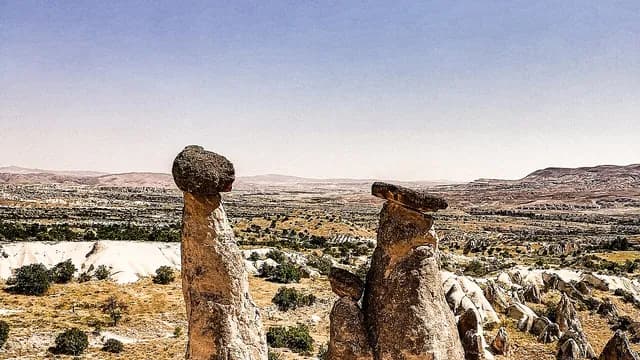
Üç Güzeller Fairy Chimneys (Three Beauties)
Ürgüp, Nevşehir
A natural monument near Ürgüp made up of three large fairy chimneys with hard rock caps, one of the most photographed symbols of Cappadocia.
 Machine translated — This content was machine-translated and may differ from the original Turkish text.
Castle
Uçhisar Castle
Merkez, Nevşehir
A giant rock mass hollowed out with rooms, at one of the highest points in Cappadocia; its summit offers a wide view reaching as far as Erciyes.
 Machine translated — This content was machine-translated and may differ from the original Turkish text.
Museum
Zelve Open-Air Museum
Avanos, Nevşehir
A rock village spread over three valleys on the slopes of Aktepe, inhabited until the 1950s; an open-air museum with fairy chimneys, a rock mosque and dovecotes.
Practical information
Machine translated — This content was machine-translated and may differ from the original Turkish text.- Note
- Check muze.gov.tr for current visiting hours and fees of museums and archaeological sites; Müzekart (Museum Pass) is valid at most sites.
- Climate
- Continental climate; summers are hot and dry, winters cold and snowy. Nights can be cool even in summer.
- Best time
- April–June and September–November; balloon flights operate year-round depending on weather conditions, and in winter the snowy landscapes offer a special beauty.
- Getting there
- Cappadocia Airport (near Gülşehir) and Kayseri Erkilet Airport (about 75 km); regular minibus services run from Nevşehir bus station to Göreme, Ürgüp and Avanos.
- Getting around
- Places within the Göreme–Uçhisar–Ortahisar–Ürgüp–Avanos triangle are short distances apart; save your route to an offline map for valley hikes. A rental car or tour is needed for the underground cities.