05 · City guide
Amasya
City of princes, city of royal tombs
Amasya sits in the deep valley the Yeşilırmak River has carved between two mountains, and it once served as a capital of the Kingdom of Pontus. The royal rock tombs cut into Mount Harşena, the Yalıboyu houses lining the river and Harşena Castle on the hilltop are the city's symbols. In Amasya, where Ottoman princes were trained as provincial governors, you can explore on foot the Şehzadeler Museum (Museum of the Princes), the II. Bayezid Complex, the Ilkhanid darüşşifa (hospital) and the Seljuk-era Burmalı Minare and Gök Medrese mosques. The Saraydüzü Barracks, where the Amasya Circular was drafted, tells the story of the National Struggle. Highlights in the districts include the complexes and bedestens of Merzifon and Gümüşhacıköy, Boraboy Lake in Taşova and the bird sanctuary of Suluova. Misket apples, çiçek bamyası (tiny dried okra) and bakla dolması are well-known flavors of the Amasya table.
Machine translated — This content was machine-translated and may differ from the original Turkish text.34
Places
0
Routes
0
Badges
Where shall we explore?
 Machine translated — This content was machine-translated and may differ from the original Turkish text.
Bridge
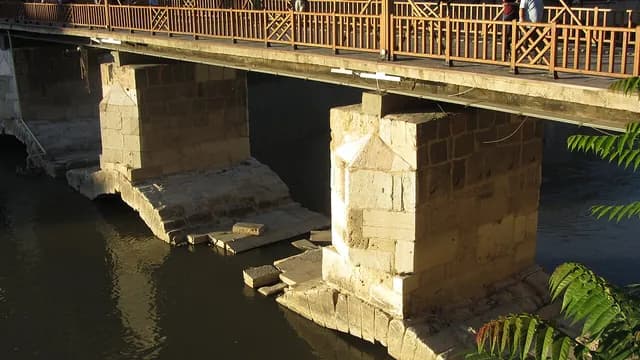
Alçak Köprü (Low Bridge)
Merkez, Amasya
A four-arched stone bridge rising on Roman-era piers, linking the castle side to the south bank.
 Machine translated — This content was machine-translated and may differ from the original Turkish text.
Museum
Amasya Darüşşifa and Sabuncuoğlu Museum of the History of Medicine
Merkez, Amasya
A darüşşifa built in 1308–1309, the only surviving Ilkhanid building; today the Sabuncuoğlu Museum of the History of Medicine and Surgery.
 Machine translated — This content was machine-translated and may differ from the original Turkish text.
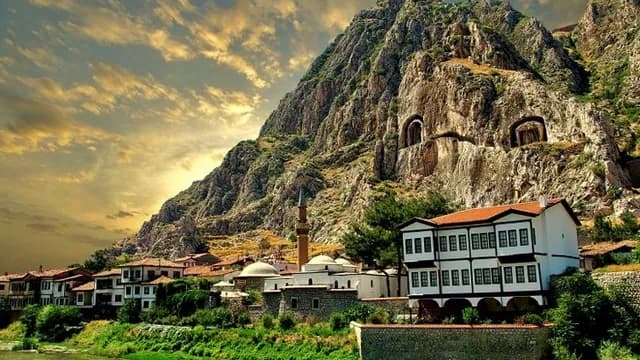
Rock tomb
Amasya King Rock Tombs
Merkez, Amasya
Monumental rock tombs of the Pontic kings carved into the slope of Mount Harşena; the symbol of Amasya and on the UNESCO World Heritage Tentative List.
 Machine translated — This content was machine-translated and may differ from the original Turkish text.
Museum
Amasya Museum
Merkez, Amasya
Amasya's archaeology museum, known for its artifacts from eleven civilizations and the Ilkhanid-era mummies displayed in the tomb in its garden.
 Machine translated — This content was machine-translated and may differ from the original Turkish text.
Clock tower
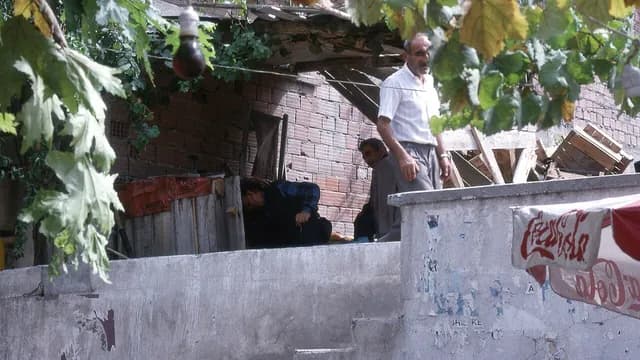
Amasya Clock Tower
Merkez, Amasya
The city clock tower at the head of the Hükümet Bridge, built in 1865 and faithfully rebuilt in 2002.
 Machine translated — This content was machine-translated and may differ from the original Turkish text.
Han and caravanserai
Amasya Taşhan
Merkez, Amasya
A two-story Ottoman city han with a courtyard, built in 1699 by Mutasarrıf Rahtuvan Hacı Mehmet Paşa.
 Machine translated — This content was machine-translated and may differ from the original Turkish text.
Rock tomb
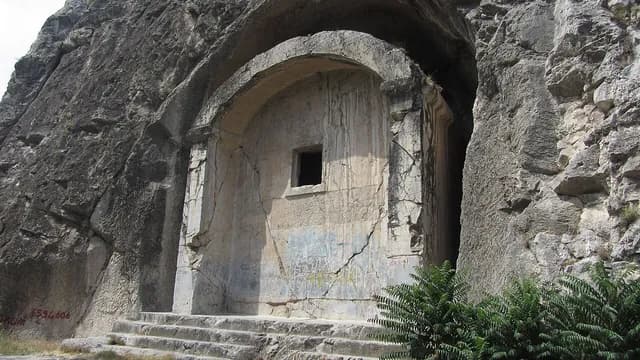
Aynalı Mağara Rock Tomb
Merkez, Amasya
A Hellenistic rock tomb with a polished facade, carved into the rock northeast of the city center; traces of Byzantine-era wall paintings survive inside.
 Machine translated — This content was machine-translated and may differ from the original Turkish text.
Mosque
Bayezid Paşa Mosque
Merkez, Amasya
An early Ottoman inverted-T-plan mosque on the east bank of the Yeşilırmak, built in 1414–1419 by Grand Vizier Bayezid Paşa.
 Machine translated — This content was machine-translated and may differ from the original Turkish text.
Nature park
Boraboy Lake Nature Park
Taşova, Amasya
An emerald-green landslide-dammed lake in Taşova surrounded by beech and pine forests; a nature park since 2013.
 Machine translated — This content was machine-translated and may differ from the original Turkish text.
Mosque
Burmalı Minare Mosque
Merkez, Amasya
A 13th-century Seljuk mosque named after the twisted grooves encircling its minaret, with an octagonal tomb beside it.
 Machine translated — This content was machine-translated and may differ from the original Turkish text.
Madrasa and külliye (complex)
Çelebi Sultan Mehmed Madrasa and Merzifon Clock Tower
Merzifon, Amasya
The four-iwan madrasa built by Çelebi Mehmed in 1414–1417 and the brick clock tower at its entrance; the symbol of Merzifon.
- Machine translated — This content was machine-translated and may differ from the original Turkish text.
Han and caravanserai
Ezine Han
Merkez, Amasya
A Seljuk han in Ezinepazar village, built by Mahperi Hatun and restored and opened to visitors by the General Directorate of Foundations.
- Machine translated — This content was machine-translated and may differ from the original Turkish text.
Museum
Ferhat and Şirin Lovers Museum
Merkez, Amasya
A themed museum next to the Ferhat Water Channel telling famous love stories, above all that of Ferhat and Şirin.
 Machine translated — This content was machine-translated and may differ from the original Turkish text.
Aqueduct and cistern
Ferhat Water Channel
Merkez, Amasya
A Hellenistic–Roman water channel at the foot of Mount Ferhat, cut into the rock and tunneled through it, and the subject of the legend of Ferhat and Şirin.
 Machine translated — This content was machine-translated and may differ from the original Turkish text.
Mosque
Gök Medrese Mosque
Merkez, Amasya
A Seljuk work dated 1266–1267 combining a mosque, madrasa and tomb in a single building; it takes its name from the blue-glazed bricks on the tomb.
- Machine translated — This content was machine-translated and may differ from the original Turkish text.
Bazaar and arasta
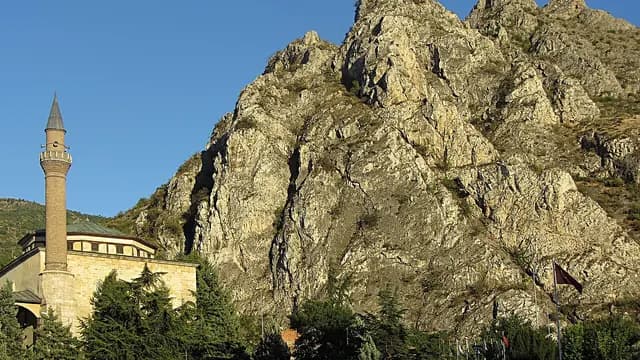
Gümüşhacıköy Bedesten and Clock Tower
Gümüşhacıköy, Amasya
The bedesten with an open passage built by Köprülü Mehmet Paşa in 1660, and the clock tower dated 1900 to its east.
 Machine translated — This content was machine-translated and may differ from the original Turkish text.
Mosque
Gümüşlü Mosque
Merkez, Amasya
A bazaar mosque opposite the Hükümet Bridge, first built in 1326 and repaired in 1688, with a wooden late-comers' portico.
 Machine translated — This content was machine-translated and may differ from the original Turkish text.
Tomb (türbe)
Halifet Gazi Kümbet (Tomb)
Merkez, Amasya
An octagonal kümbet built for the Danishmendid emir Halifet Gazi, containing a marble sarcophagus with reliefs of ram heads and winged figures.
 Machine translated — This content was machine-translated and may differ from the original Turkish text.
Hot spring
Hamamözü Arkut Bey Hot Springs
Hamamözü, Amasya
Hot springs in the Hamamözü district center, thought to have been used since antiquity, with water at about 42.5 °C.
 Machine translated — This content was machine-translated and may differ from the original Turkish text.
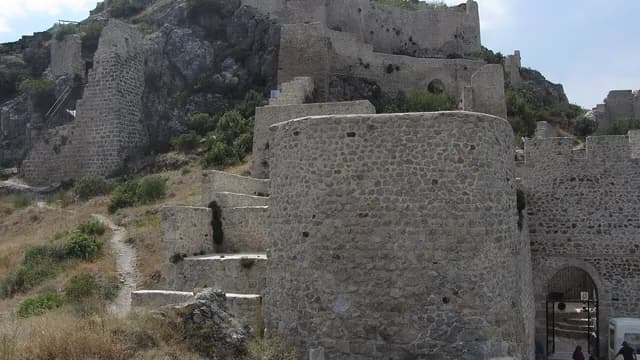
Castle
Harşena Castle (Amasya Castle)
Merkez, Amasya
A castle on the summit of Mount Harşena, repaired and used from the Pontic period to the Ottomans; with its cisterns and rock-cut water tunnel, it dominates the city.
 Machine translated — This content was machine-translated and may differ from the original Turkish text.
House museum
Hazeranlar Mansion Ethnography Museum
Merkez, Amasya
An Ottoman mansion built in 1865 in Yalıboyu, today visited as an ethnography museum and art gallery.
 Machine translated — This content was machine-translated and may differ from the original Turkish text.
Madrasa and külliye (complex)
Kapı Ağa (Büyük Ağa) Madrasa
Merkez, Amasya
The Büyük Ağa Madrasa, built in 1488, where the octagonal plan was used for the first time among Ottoman madrasas.
- Machine translated — This content was machine-translated and may differ from the original Turkish text.
Mosque
Köprülü Mehmet Paşa Mosque
Gümüşhacıköy, Amasya
A mosque with a large dome and corner weight towers, built in Gümüşhacıköy in 1660 by Grand Vizier Köprülü Mehmet Paşa.
 Machine translated — This content was machine-translated and may differ from the original Turkish text.
Mosque
Mehmet Paşa Mosque
Merkez, Amasya
A riverside mosque built in 1486 by Mehmet Paşa, tutor of Şehzade Ahmed, famous for its marble minbar.
 Machine translated — This content was machine-translated and may differ from the original Turkish text.
Bazaar and arasta
Merzifon Bedesten
Merzifon, Amasya
A 17th-century bedesten belonging to the Kara Mustafa Paşa Complex, with nine domes and outward-facing shops.
 Machine translated — This content was machine-translated and may differ from the original Turkish text.
Mosque
Merzifonlu Kara Mustafa Paşa Mosque
Merzifon, Amasya
The mosque of the Kara Mustafa Paşa Complex in central Merzifon, built in 1666 and famous for the landscape paintings in its ablution fountain dome.
 Machine translated — This content was machine-translated and may differ from the original Turkish text.
Museum
Miniature Amasya Museum
Merkez, Amasya
A 300 m² model of Amasya in the imaret of the II. Bayezid Complex, based on a photograph from 1914.
 Machine translated — This content was machine-translated and may differ from the original Turkish text.
Museum
Saraydüzü Barracks National Struggle Museum
Merkez, Amasya
A National Struggle museum in the faithfully reconstructed Saraydüzü Barracks, Atatürk's headquarters in Amasya, where the Amasya Circular was written.
 Machine translated — This content was machine-translated and may differ from the original Turkish text.
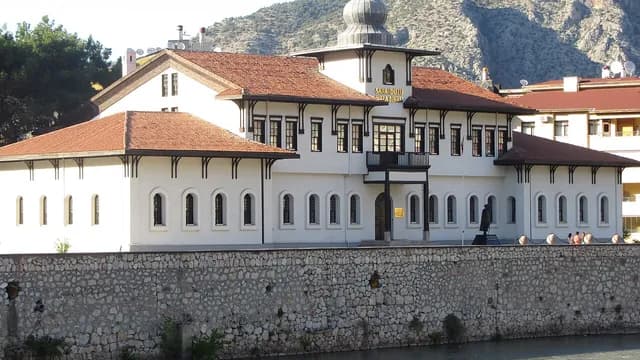
Museum
Şehzadeler Museum (Museum of the Princes)
Merkez, Amasya
A wooden museum building at the head of the Alçak Bridge, with statues of the Ottoman princes who served as governors in Amasya and objects from their era.
 Machine translated — This content was machine-translated and may differ from the original Turkish text.
Madrasa and külliye (complex)
Sultan II. Bayezid Complex
Merkez, Amasya
Amasya's largest Ottoman complex, built in 1485–1486 on the banks of the Yeşilırmak, with a mosque, madrasa, imaret and ablution fountain.
 Machine translated — This content was machine-translated and may differ from the original Turkish text.
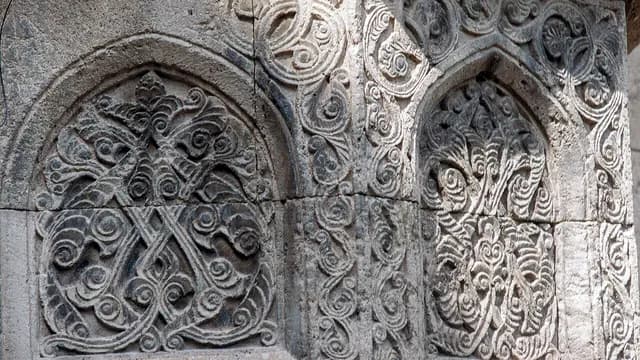
Tomb (türbe)
Torumtay Tomb
Merkez, Amasya
A two-story Seljuk tomb with richly carved stone decoration on its facade, built in 1278 by Seyfeddin Torumtay, governor of Amasya.
 Machine translated — This content was machine-translated and may differ from the original Turkish text.
Historic street and neighborhood
Yalıboyu Houses
Merkez, Amasya
Ottoman houses with bay windows lined up on the old city wall on the north bank of the Yeşilırmak; Amasya's postcard view.
- Machine translated — This content was machine-translated and may differ from the original Turkish text.
Birdwatching site
Yedikuğular Bird Sanctuary (Yedikır Dam Lake)
Suluova, Amasya
An Important Bird Area around Yedikır Dam Lake in Suluova, one of the two breeding sites of the great white pelican in Türkiye.
 Machine translated — This content was machine-translated and may differ from the original Turkish text.
Mosque
Yörgüç Paşa Mosque
Merkez, Amasya
An inverted-T-plan mosque with red-and-white marble arches, built in the 1430s by Yörgüç Paşa, tutor of Murad II.
Practical information
Machine translated — This content was machine-translated and may differ from the original Turkish text.- Climate
- Transitional climate between the Black Sea and Central Anatolia; summers are hot and relatively dry.
- Best time
- Spring (cherry and apple blossoms) and autumn (misket apple harvest).
- Museum pass
- Müzekart (Museum Pass) is valid at Ministry-run museums; check muze.gov.tr for opening hours.
- Getting there
- Amasya Merzifon Airport (about 42 km from the city); on the Samsun railway line.
- Getting around
- The historic center, Yalıboyu and the museums are walkable; the castle can be reached by car or on foot.