40 · City guide
Kırşehir
City of the Ahi tradition and the sultans of the heart
Kırşehir is known as the birthplace of the Ahi organization, which organized tradesmen and craftsmen in the 13th century; the Tomb of Ahi Evran is the city's spiritual center. Built in 1272, the Cacabey Madrasa is a distinctive Seljuk building where astronomy was taught and which is thought to have been used as an observatory through the opening in its dome. The tomb of Âşık Paşa, author of the Garibnâme, and the city's bağlama tradition make Kırşehir the home of the 'sultans of the heart'. Finds from the Japanese excavations at Kalehöyük in Kaman, ongoing since 1986, are displayed at the Kalehöyük Archaeology Museum; right next to it is a Japanese garden in the middle of the steppe. The 13th-century Kesikköprü (bridge) and caravanserai on the Kızılırmak, the Byzantine-era Üçayak Church, Mucur's underground city and the Ramsar site of Seyfe Lake are the province's other stops. The Terme hot springs adjoining the city center welcome visitors year-round.
Machine translated — This content was machine-translated and may differ from the original Turkish text.16
Places
0
Routes
0
Badges
Where shall we explore?
 Machine translated — This content was machine-translated and may differ from the original Turkish text.
Tomb (türbe)
Ahi Evran Mosque and Tomb
Merkez, Kırşehir
A group of buildings converted from a zaviye into a mosque, containing the tomb of Ahi Evran, considered the founder of Ahilik, the organization of tradesmen and craftsmen.
 Machine translated — This content was machine-translated and may differ from the original Turkish text.
Tomb (türbe)
Tomb of Aşık Paşa
Merkez, Kırşehir
The tomb over the grave of the 14th-century poet Âşık Paşa (d. 1332), author of the Garibnâme, one of the first great Sufi works in Turkish.
 Machine translated — This content was machine-translated and may differ from the original Turkish text.
Madrasa and külliye (complex)
Cacabey Madrasa (Astronomy Madrasa)
Merkez, Kırşehir
A madrasa commissioned in 1272 by Nureddin Cibril bin Caca, Emir of Kırşehir, where astronomy was taught and which is thought to have been used as an observatory through the opening in its dome.
 Machine translated — This content was machine-translated and may differ from the original Turkish text.
Reservoir and pond
Hirfanlı Dam Lake
Kaman, Kırşehir
One of Türkiye's large reservoirs, built on the Kızılırmak in 1953–1959 with a lake area of 263 km²; views and fishing on the Kaman shores.
 Machine translated — This content was machine-translated and may differ from the original Turkish text.
Mound (höyük)
Kaman Kalehöyük
Kaman, Kırşehir
A mound 280 meters in diameter east of Kaman, excavated by Japanese archaeologists since 1986, with layers stretching through the Bronze, Iron and Ottoman ages.
 Machine translated — This content was machine-translated and may differ from the original Turkish text.
Museum
Kaman Kalehöyük Archaeology Museum
Kaman, Kırşehir
A museum opened in 2010 in the village of Çağırkan, displaying works of seven civilizations found in the Japanese Institute of Anatolian Archaeology's Kalehöyük excavations.
 Machine translated — This content was machine-translated and may differ from the original Turkish text.
Bridge
Kesikköprü
Merkez, Kırşehir
A 13-arched Seljuk bridge 220 meters long over the Kızılırmak, built in 1248 in the time of İzzeddin Keykavus II according to its inscription.
 Machine translated — This content was machine-translated and may differ from the original Turkish text.
Han and caravanserai
Kesikköprü Caravanserai (Cacabey Hanı)
Merkez, Kırşehir
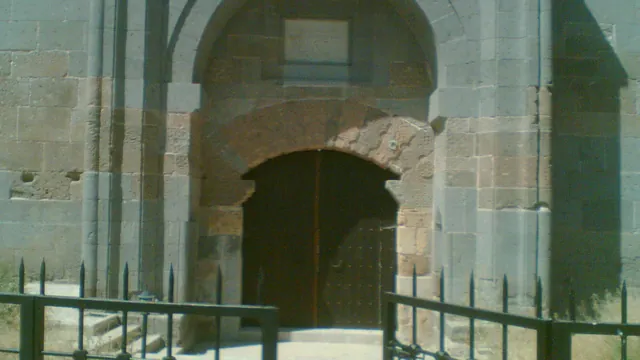
A Seljuk caravanserai in the village of Kesikköprü, commissioned by Nureddin Caca, Emir of Kırşehir, notable for its portal built of two-colored stones.
- Machine translated — This content was machine-translated and may differ from the original Turkish text.
Mosque
Kırşehir Alaaddin Mosque
Merkez, Kırşehir
Kırşehir's grand mosque, commissioned in 1230 by Sultan Alaeddin Keykubad I and completely rebuilt in 1893.
- Machine translated — This content was machine-translated and may differ from the original Turkish text.
Museum
Kırşehir Museum
Merkez, Kırşehir
The provincial museum, renovated through Turkish–Japanese cooperation and opened in 2010, displaying finds from Kalehöyük, Yassıhöyük and Büklükale and an Ahilik section.
- Machine translated — This content was machine-translated and may differ from the original Turkish text.
Tomb (türbe)
Melik Gazi Kümbet
Merkez, Kırşehir
A Seljuk-period kümbet in the southeastern part of central Kırşehir, dated to the 13th century.
- Machine translated — This content was machine-translated and may differ from the original Turkish text.
Archaeological site
Mucur Underground City
Mucur, Kırşehir
An underground city in Mucur dated to the Early Christian period, connected by galleries and tunnels, with ventilation shafts and rolling stones.
 Machine translated — This content was machine-translated and may differ from the original Turkish text.
Botanical garden
Prince Mikasa Japanese Memorial Garden
Kaman, Kırşehir
A Japanese garden in the middle of the steppe at Çağırkan, established in 1993 in memory of the Japanese Prince Mikasa, who started the Kalehöyük excavations, with a waterfall and artificial lake.
 Machine translated — This content was machine-translated and may differ from the original Turkish text.
Birdwatching site
Seyfe Lake Bird Paradise
Mucur, Kırşehir
A shallow salt lake in Mucur, a Ramsar site since 1994; a 'bird paradise' where hundreds of bird species, above all flamingos, stop over.
 Machine translated — This content was machine-translated and may differ from the original Turkish text.
Hot spring
Terme Hot Springs
Merkez, Kırşehir
Kırşehir's best-known hot spring area, in the Kuşdilli neighborhood about 1 km from the city center, with waters at 30–57 °C.
 Machine translated — This content was machine-translated and may differ from the original Turkish text.
Church
Üçayak Church
Merkez, Kırşehir
The remains of a 10th–11th-century Byzantine church with twin domes, built entirely of brick, rising in a deserted area north of Kırşehir.
Practical information
Machine translated — This content was machine-translated and may differ from the original Turkish text.- Note
- Ahi Week events are held every September; check muze.gov.tr for museum hours.
- Climate
- Continental climate; hot, dry summers and cold winters.
- Best time
- Spring and autumn; migration seasons for birdwatching at Seyfe Lake, October–November for the Japanese Garden.
- Getting there
- About 185 km to Ankara; the nearest airports are Kapadokya (Nevşehir) and Ankara Esenboğa. Minibuses run to the districts.
- Getting around
- The Cacabey Madrasa, the Tomb of Ahi Evran, the Alaaddin Mosque and the Kırşehir Museum are within walking distance in the city center.