74 · City guide
Bartın
Amasra's castle, Bartın's wooden houses
Bartın takes its name from the Bartın River, which divides the city in two and allowed ships to sail from the sea right up to town. Orta Mahalle in the city center preserves wooden Bartın houses with Western-influenced ornamentation from the post-Tanzimat period; the City Museum and the Kemal Samancıoğlu Ethnography Museum tell the story of local life. Amasra, with its castle spanning the Roman, Genoese and Ottoman eras, its church-turned-mosque buildings, the wood carvers of the Çekiciler Bazaar and its museum, is the province's most visited place. The 80-million-year-old basalt columns of Güzelcehisar and İnkumu beach are the coast's nature stops. Toward Ulus and Kurucaşile lie Ulukaya Waterfall, Uluyayla and the traces of Kromna.
Machine translated — This content was machine-translated and may differ from the original Turkish text.21
Places
0
Routes
0
Badges
Where shall we explore?
- Machine translated — This content was machine-translated and may differ from the original Turkish text.
Nature park
Ahatlar Nature Park
Amasra, Bartın
A 9.3-hectare nature park in hornbeam, oak and Turkish red pine forest in Amasra's Ahatlar village.
 Machine translated — This content was machine-translated and may differ from the original Turkish text.
Mosque
Amasra Fatih Mosque
Amasra, Bartın
A former Byzantine church built in the 9th century inside Amasra Castle and converted into a mosque after the conquest of 1460.
 Machine translated — This content was machine-translated and may differ from the original Turkish text.
Lighthouse
Amasra Lighthouse
Amasra, Bartın
A lighthouse in the Boztepe neighborhood that has lit the Amasra coast since 1863, 78 meters above the sea.
 Machine translated — This content was machine-translated and may differ from the original Turkish text.
Castle
Amasra Castle
Amasra, Bartın
Amasra Castle, in two parts enclosing Boztepe Island and the Zindan neighborhood, spanning the Roman, Genoese and Ottoman eras.
 Machine translated — This content was machine-translated and may differ from the original Turkish text.
Museum
Amasra Museum
Amasra, Bartın
A museum displaying archaeological and ethnographic objects from the Hellenistic to the Ottoman period, in a listed building begun in 1884 as a naval school.
- Machine translated — This content was machine-translated and may differ from the original Turkish text.
Church
Aya Nikola Church
Merkez, Bartın
A church in central Bartın built by the Greek community, used for a time as a power station and converted into a culture house.
- Machine translated — This content was machine-translated and may differ from the original Turkish text.
Museum
Bartın City Museum
Merkez, Bartın
A city museum in an 1885 former school and municipal building, telling Bartın's 4000-year history and daily life.
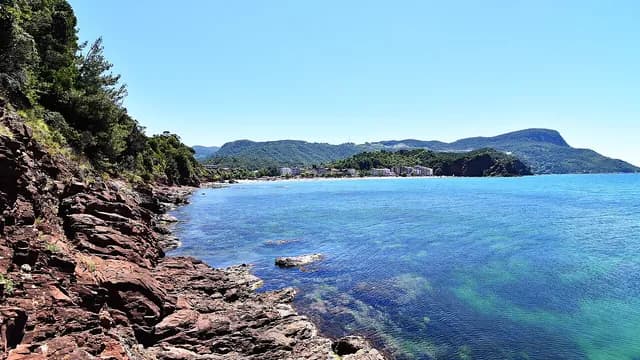 Machine translated — This content was machine-translated and may differ from the original Turkish text.
Beach
Çakraz Beach
Amasra, Bartın
Çakraz beach at km 18 of the Amasra–Kurucaşile road, known for its clean sand and calm water.
- Machine translated — This content was machine-translated and may differ from the original Turkish text.
Bazaar and arasta
Çekiciler Bazaar
Amasra, Bartın
A historic bazaar street where masters of 'çekicilik', Amasra's wood-carving craft dating back to the 17th century, sell their work.
- Machine translated — This content was machine-translated and may differ from the original Turkish text.
Tomb (türbe)
Ebu Derda Tomb
Merkez, Bartın
A commemorative shrine tomb built in memory of Ebu Derda, one of the Companions of the Prophet, with a small mosque and fountain beside it.
- Machine translated — This content was machine-translated and may differ from the original Turkish text.
Waterfall
Gergece Waterfall
Merkez, Bartın
A forest waterfall at the Gergecekaya locality, 11 km from Yeşilkaya village in Bartın's central district.
 Machine translated — This content was machine-translated and may differ from the original Turkish text.
Natural monument
Güzelcehisar Lava Columns
Merkez, Bartın
80-million-year-old basalt columns rising like a wall from the sea, 17 km from central Bartın, with a wooden walkway.
 Machine translated — This content was machine-translated and may differ from the original Turkish text.
Church
İçkale Masjid (Küçük Kilise / Small Church)
Amasra, Bartın
A small chapel in the Amasra Inner Castle, built in the 9th century of brick and stone, converted into a masjid in the 15th century, with surviving traces of frescoes.
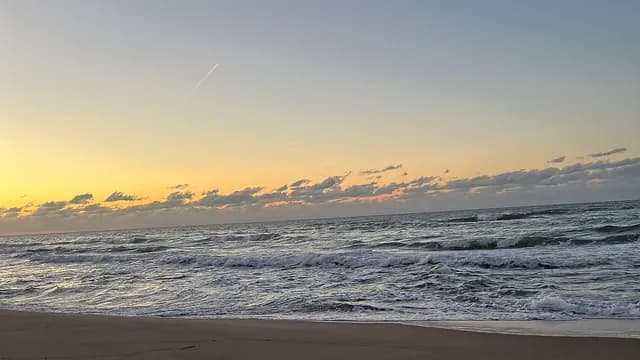 Machine translated — This content was machine-translated and may differ from the original Turkish text.
Blue Flag beach
İnkumu Beach
Merkez, Bartın
A beach about 10 km from central Bartın, known for its 2.3 km stretch of sand and Blue Flag awards.
- Machine translated — This content was machine-translated and may differ from the original Turkish text.
House museum
Kemal Samancıoğlu Ethnography Museum
Merkez, Bartın
An ethnography museum set up in the wooden house where Kemal Samancıoğlu, one of Bartın's former mayors, was born and lived.
- Machine translated — This content was machine-translated and may differ from the original Turkish text.
Cave
Kemerli Cave
Ulus, Bartın
A fossil cave in Küre Mountains National Park, reached by a 1300-meter walking path from the Bartın–Ulus road.
 Machine translated — This content was machine-translated and may differ from the original Turkish text.
Monument and statue
Kuşkayası Road Monument
Amasra, Bartın
A rock-cut monument with reliefs of an eagle and a figure, commemorating road building in the reign of the Roman Emperor Claudius (AD 41–54).
- Machine translated — This content was machine-translated and may differ from the original Turkish text.
Historic street and neighborhood
Historic Bartın Houses (Orta Mahalle)
Merkez, Bartın
Historic Bartın houses in Orta Mahalle with Western-influenced post-Tanzimat decoration, sash windows and gardens with 'daraba' fences.
- Machine translated — This content was machine-translated and may differ from the original Turkish text.
Castle
Tekkeönü Castle (Kromna)
Kurucaşile, Bartın
Castle remains, rock wells and a tunnel said to extend to the sea at Tekkeönü in Kurucaşile, the center of the ancient city of Kromna.
 Machine translated — This content was machine-translated and may differ from the original Turkish text.
Waterfall
Ulukaya Waterfall
Ulus, Bartın
A waterfall in Ulus, falling 20 meters from a rock hollow in a canyon within the Küre Mountains National Park.
 Machine translated — This content was machine-translated and may differ from the original Turkish text.
Yayla (highland pasture)
Uluyayla and Uluyayla Cave
Ulus, Bartın
Uluyayla, 27 km from Ulus, amid a vast sea of forest, with its yayla, springs and a cave with a stream running through it.
Practical information
Machine translated — This content was machine-translated and may differ from the original Turkish text.- Note
- Because of rip currents at İnkumu, swim only in areas with lifeguards
- Climate
- Mild, rainy Black Sea climate
- Best time
- June–September; Amasra gets very crowded on summer weekends
- Getting there
- The nearest airport is Zonguldak Airport (Çaycuma); road connections to Ankara and İstanbul
- Getting around
- Amasra and central Bartın are walkable; a vehicle is recommended for Güzelcehisar, İnkumu and Ulus