02 · City guide
Adıyaman
The giant statues of Nemrut and the legacy of the Kingdom of Commagene
Adıyaman lies in the lands of the Kingdom of Commagene, which in the 1st century BC sought to unite Eastern and Western cultures. The tumulus and colossal statues of gods that King Antiochus I had built on the 2150-meter summit of Mount Nemrut (Nemrut Dağı) have been a UNESCO World Heritage Site since 1987; watching them at sunrise or sunset is one of Turkey's most unforgettable experiences. Along the road from Kâhta to Nemrut lie the Karakuş Tumulus, the Roman-era Cendere Bridge, Arsameia, the summer capital of Commagene, and Yeni Kale with its Mamluk inscription. Right next to the city center are the rock tombs and Roman fountain of the ancient city of Perre, with the Palanlı and Zey caves to the north. The nature park in Gölbaşı, the Sofraz monumental tomb and the ruins of old Besni in Besni, and Gerger Castle complete the route. Adıyaman was severely damaged in the February 6, 2023 earthquakes; the Adıyaman Museum has been closed since the earthquake.
Machine translated — This content was machine-translated and may differ from the original Turkish text.20
Places
0
Routes
0
Badges
Where shall we explore?
 Machine translated — This content was machine-translated and may differ from the original Turkish text.
Bridge
German Bridge (Alman Köprüsü)
Gölbaşı, Adıyaman
A registered 280-meter railway bridge with 7 arches over the Göksu Stream, designed by German engineers and built in 1929.
 Machine translated — This content was machine-translated and may differ from the original Turkish text.
Archaeological site
Arsameia Archaeological Site (Eski Kâhta)
Kâhta, Adıyaman
The summer capital of the Kingdom of Commagene; a sanctuary famous for the relief of Antiochus shaking hands with Heracles and the longest Greek inscription in Anatolia.
 Machine translated — This content was machine-translated and may differ from the original Turkish text.
Reservoir and pond
Çat Dam Lake
Çelikhan, Adıyaman
An irrigation dam lake on the Abdülharap Stream, spread over about 14 km² among the highland pastures of Çelikhan.
 Machine translated — This content was machine-translated and may differ from the original Turkish text.
Bridge
Cendere Bridge (Septimius Severus Bridge)
Kâhta, Adıyaman
The widest surviving single-arched Roman bridge, with a span of 34.2 meters, built around AD 200 in honor of Roman Emperor Septimius Severus and his family.
 Machine translated — This content was machine-translated and may differ from the original Turkish text.
Archaeological site
Old Besni and the Ulu Mosque Minaret
Besni, Adıyaman
Among the hillside ruins of the abandoned old town of Besni, the Ulu Mosque survives through its minaret, built in 1565 by the architect Numan el-Osmani.
- Machine translated — This content was machine-translated and may differ from the original Turkish text.
Castle
Gerger Castle
Gerger, Adıyaman
A historic castle on steep cliffs overlooking the Euphrates, dating back to the 2nd century BC, with the remains of a mosque at its entrance.
 Machine translated — This content was machine-translated and may differ from the original Turkish text.
Nature park
Gölbaşı Lakes Nature Park
Gölbaşı, Adıyaman
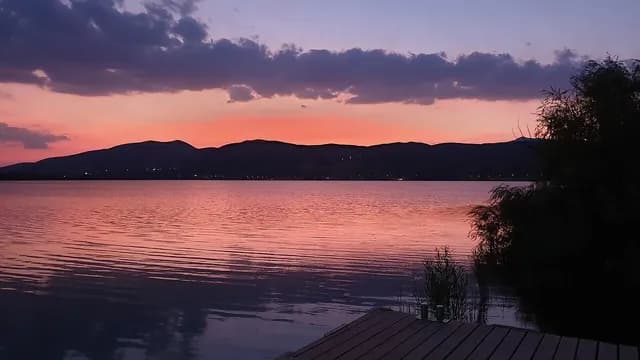
Adıyaman's largest natural wetland, comprising the Gölbaşı, Azaplı and İnekli lakes, with reed beds and birdlife.
- Machine translated — This content was machine-translated and may differ from the original Turkish text.
Rock tomb
Haydaran Rock Tombs
Merkez, Adıyaman
A Commagene-period site near Taşgedik with rock tombs and a relief of the Sun God Helios shaking hands with King Antiochus.
- Machine translated — This content was machine-translated and may differ from the original Turkish text.
Tomb (türbe)
Tomb of Hz. Safvan bin Muattal
Samsat, Adıyaman
The tomb and pilgrimage site of Safvan bin Muattal, a Companion of the Prophet who took part in the Byzantine campaigns and is believed to have been martyred in Samsat.
 Machine translated — This content was machine-translated and may differ from the original Turkish text.
Castle
Kâhta Yeni Kale
Kâhta, Adıyaman
A medieval castle on a steep rock overlooking the Kâhta Stream valley, notable for its Mamluk inscriptions and its messenger-pigeon dovecote.
 Machine translated — This content was machine-translated and may differ from the original Turkish text.
Archaeological site
Karakuş Tumulus
Kâhta, Adıyaman
A monumental tomb built for the women of the Commagene royal family, surrounded by columns, one topped with an eagle statue.
- Machine translated — This content was machine-translated and may differ from the original Turkish text.
Archaeological site
Malpınarı Rock Inscription
Merkez, Adıyaman
A Late Hittite hieroglyphic inscription carved into the rock in the hamlet of Malpınar, with traces of an ancient settlement around it.
 Machine translated — This content was machine-translated and may differ from the original Turkish text.
National park
Mount Nemrut National Park and the Antiochus Tumulus
Kâhta, Adıyaman
A UNESCO World Heritage Site with King Antiochus I of Commagene's artificial summit tumulus and 8–9-meter statues of gods; famous for its sunrises and sunsets.
- Machine translated — This content was machine-translated and may differ from the original Turkish text.
Cave
Palanlı Cave
Merkez, Adıyaman
A cave on a registered archaeological site, thought to have been used about 40,000 years ago, with a Paleolithic animal figure visible on its wall.
 Machine translated — This content was machine-translated and may differ from the original Turkish text.
Ancient city
Perre Ancient City
Merkez, Adıyaman
One of the five great cities of the Kingdom of Commagene; an ancient city in the Örenli (Pirin) neighborhood with hundreds of rock tombs and a Roman fountain that still flows.
 Machine translated — This content was machine-translated and may differ from the original Turkish text.
Archaeological site
Sesönk (Dikilitaş) Monumental Tomb
Besni, Adıyaman
A monumental tomb tumulus on Kızıldağ, built by King Mithridates II of Commagene and surrounded by columns with reliefs of a woman, a man and lions.
 Machine translated — This content was machine-translated and may differ from the original Turkish text.
Archaeological site
Sofraz Monumental Tomb (Tumulus)
Besni, Adıyaman
A 1st-century AD monumental tomb near Sofraz (Üçgöz), consisting of a dromos, a corridor and a burial chamber with sarcophagi beneath a 15-meter earth mound.
- Machine translated — This content was machine-translated and may differ from the original Turkish text.
Rock tomb
Turuş Rock Tombs
Merkez, Adıyaman
Roman-era rock tombs just west of the Adıyaman–Şanlıurfa road, reached by 10–13 steps, some with reliefs on their doorways.
- Machine translated — This content was machine-translated and may differ from the original Turkish text.
Mosque
Tut Ulu Mosque
Tut, Adıyaman
A historic mosque in the Tut district center, commissioned by Hacı Hasan in 1736.
- Machine translated — This content was machine-translated and may differ from the original Turkish text.
Cave
Zey Caves
Merkez, Adıyaman
Rock-cut caves where early Christians settled, and the tomb of Şeyh Abdurrahman Erzincani, in the village of Zey, 7 km from Adıyaman.
Practical information
Machine translated — This content was machine-translated and may differ from the original Turkish text.- Note
- Some historic buildings affected by the February 6, 2023 earthquakes may be under repair; check the current status of museums and archaeological sites at muze.gov.tr; the Adıyaman Museum is closed due to the earthquake (muze.gov.tr)
- Climate
- Summers on the plain are hot and dry; the Nemrut summit is cool and windy even in summer, so bring warm clothes for sunrise
- Best time
- May–October; the road to the Nemrut summit may close in winter due to snow
- Getting there
- Adıyaman Airport is close to the city center; Şanlıurfa GAP and Malatya airports are alternatives; Kâhta is the starting point for Nemrut tours
- Getting around
- Nemrut, Arsameia, Cendere and Karakuş require a car, a tour or the Kâhta–Karadut minibuses; in summer there may be regular tourist services from Adıyaman